
Cabo Luxury Real Estate vs Valle de Bravo: Is There Another Option Worth Knowing About?
If you’ve been researching luxury real estate in Cabo, you already know what you’re looking at. Branded resort developments, gated communities with private beach clubs, championship golf, and price tags that have climbed steadily as demand from North American buyers has outpaced supply. The Los Cabos market is no longer a place where you find value. It is a place where you buy certainty, status, and a highly curated lifestyle asset in a geography that the right kind of buyer finds easy to justify.
This post is not an argument against that. Cabo does what it does well, and for certain buyers it is the right answer.
But there is a place in Mexico that the buyers researching luxury real estate in Cabo have almost never heard of, where the same budget buys something categorically different, and where a quietly growing number of high-net-worth buyers are starting to put serious money. It is called Valle de Bravo, and it is worth at least understanding before you sign anything.
What the Cabo Market Actually Is Right Now
The Los Cabos luxury real estate market has matured significantly. The buyer profile has shifted from traditional vacationers toward work-from-anywhere investors and high-net-worth individuals who are acquiring what you might call legacy properties, places that anchor a lifestyle and hold value in a volatile world.
What drives demand is not primarily the natural environment, though the desert coastline is striking. It is the infrastructure: the direct flights from every major US city, the concentration of branded resort amenities, the sense of being inside a well-managed ecosystem where everything works and everyone around you has been similarly vetted by price. Buyers are not just purchasing square meters. They are purchasing a curated social context.
By 2026 the market has settled into a high-priced negotiation zone. Cash buyers dominate. Entry-level bargains are largely gone. An apartment in a desirable neighborhood in Cabo runs between 10 and 18 million pesos, and many properties sit well above that range without offering proportionally more space, land, or privacy. What you are paying for, in large part, is the address.
That is not a criticism. It is an accurate description of what luxury real estate in Cabo has become, and for buyers who want exactly that, it delivers.
What the Same Budget Buys in Valle de Bravo
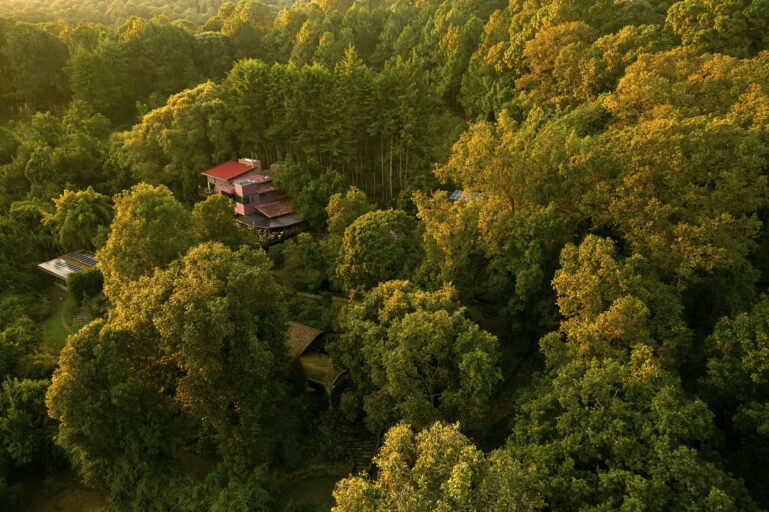
The average home in Valle de Bravo sells for around 16 million pesos, which at the time of writing is roughly 900,000 USD. That number is worth sitting with for a moment if you have been looking at Cabo, because what 16 million pesos buys in Valle is not an apartment in a resort complex. It is a stunning standalone home in a mountain lake town with one of the highest qualities of life in Mexico.
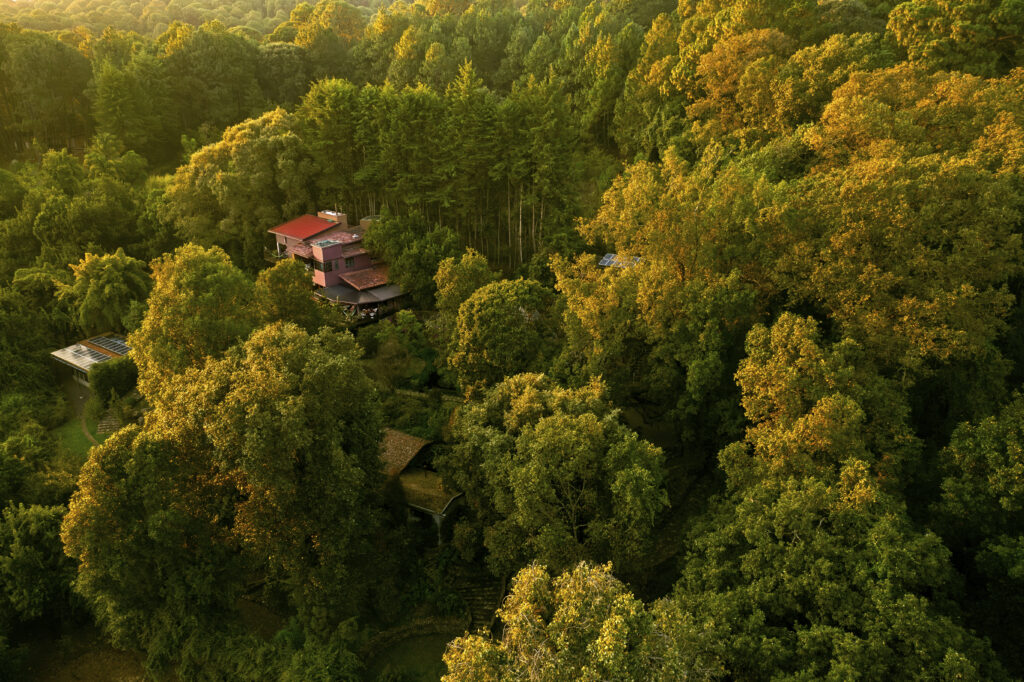
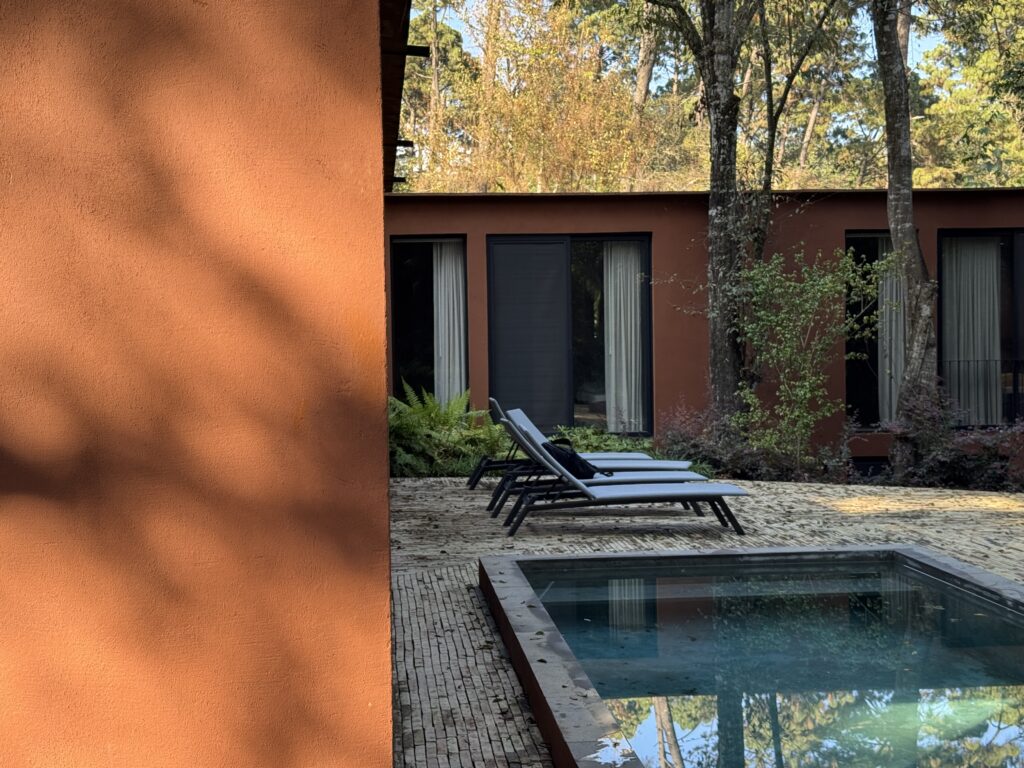
At the lower end, 400,000 USD gets you a well-built custom home of around 100 square meters on roughly a third of an acre in a desirable neighbourhood, brand new. The cost to build a luxury home in Valle de Bravo also remains relatively accessible compared to other luxury markets in Mexico, which allows buyers to prioritise land, architecture, and design in ways that are increasingly difficult in Cabo. At the upper end, the 2 to 3 million USD range produces something genuinely exceptional: significant land, serious architecture, and a level of privacy and natural setting that the Cabo market structurally cannot offer at any price, because the environment is different.
In Cabo, you are buying into a system. In Valle, you are buying into a place.
The Valle de Bravo market is currently dominated by Mexican buyers from Mexico City, most of whom use properties as weekend retreats or part-time residences. International buyers are a small but growing segment. The market has not been discovered in the way Cabo was discovered fifteen years ago, which is precisely where the opportunity sits for a buyer paying attention.
Two Different Definitions of Luxury
The more useful comparison between these two markets is not financial. It is philosophical.
Cabo luxury real estate delivers a specific version of the good life: ocean access, dry desert heat, a concentrated expat community, resort-grade amenities, and an environment that feels familiar and legible to North American buyers. The lifestyle is polished, social, and oriented around the beach. It is comfortable in a very particular way.
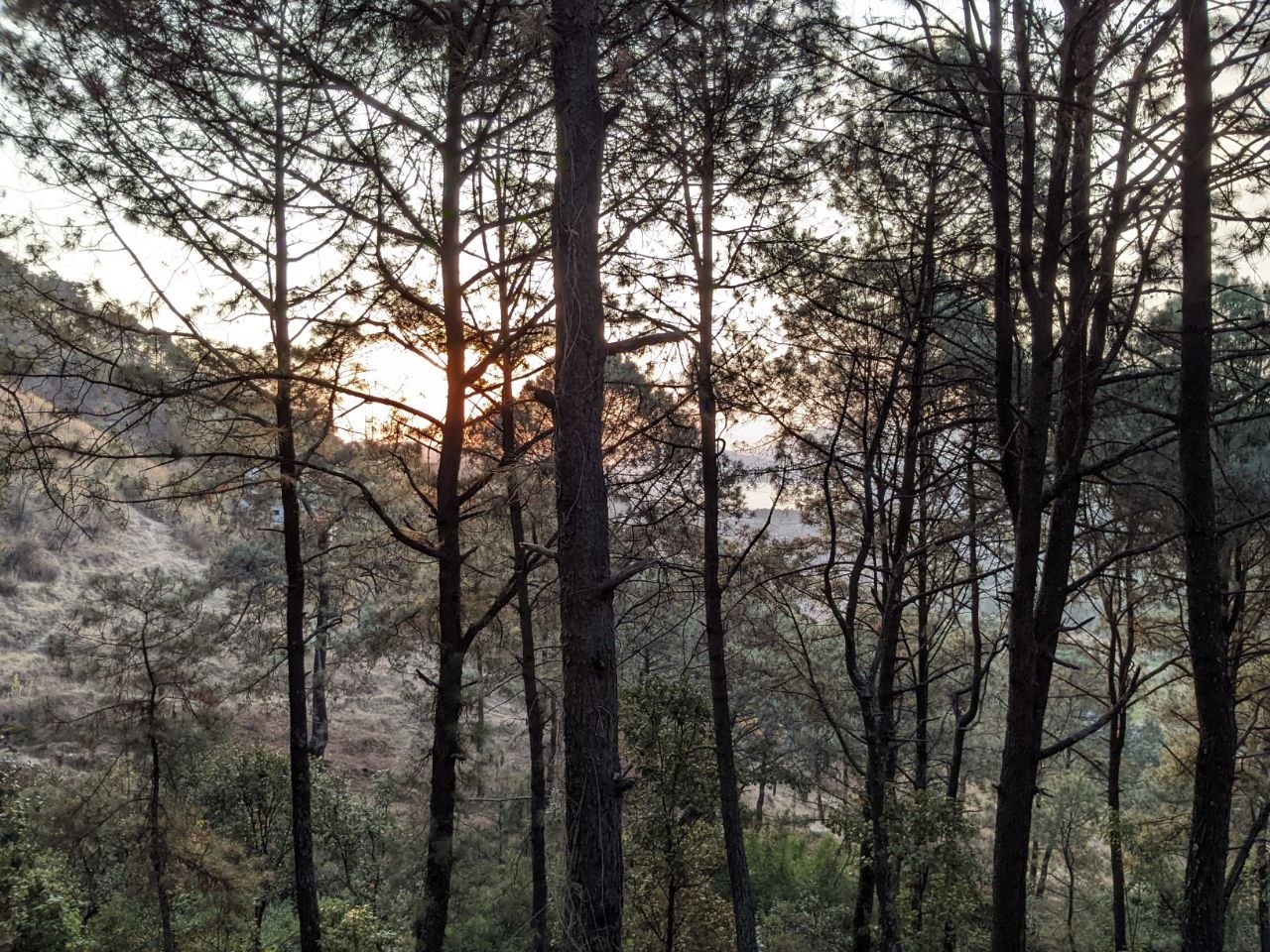
Valle de Bravo delivers something harder to package but increasingly valued by a certain kind of buyer. You wake up in a pine forest at 2,000 meters above sea level, on a lake that hosted Mexico’s first presidential sailing regatta in 1959 and still has one of the most active water sports cultures in the country. The town is a Pueblo Mágico with cobblestone streets, a working local market, and a social fabric that is genuinely Mexican rather than designed around foreign comfort. The weather is eternal spring year-round. The air is clean. The pace is unhurried in a way that is not just marketing language.
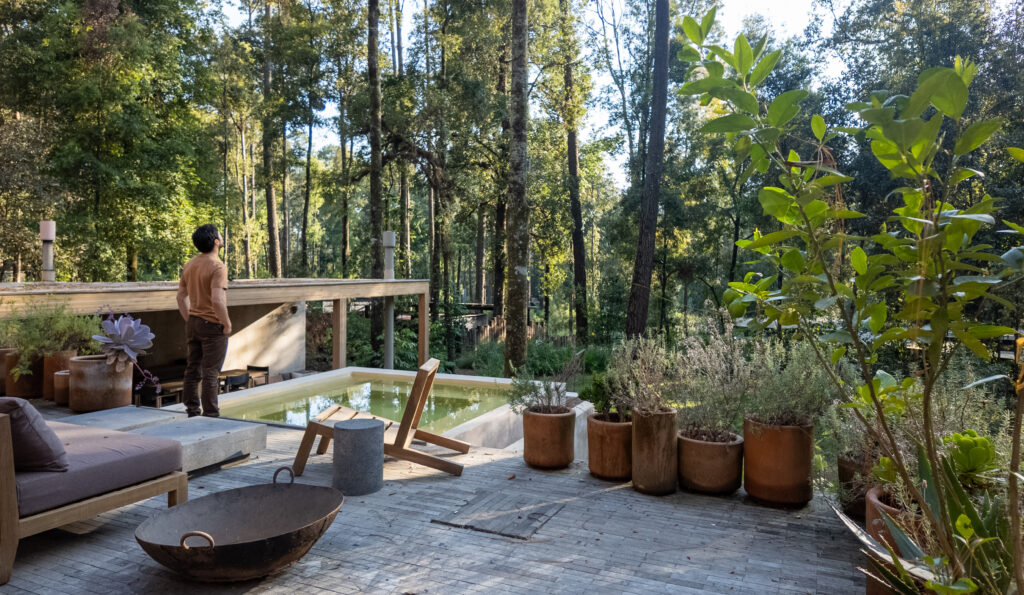
If you value high-quality products, access to one of the largest cities and international airports in the world, serious outdoor culture, and the kind of privacy that comes from land rather than walls, Valle makes a case that Cabo structurally cannot.
If you prefer hot and dry weather, a large and established expat community, and the reassurance of a market that is already well understood by North American buyers, Cabo is probably the right answer. That is an honest assessment, not a hedge.
The Geographic Argument That Changes in 2029
One of the most common objections to Valle de Bravo from buyers comparing it to coastal markets is access to the ocean. It is a landlocked town. That is true.
What changes that calculation meaningfully is a highway currently under construction that will connect Valle de Bravo to the Pacific coast, with completion expected in 2029. When that road opens, Zihuatanejo will be approximately four hours from Valle. The Pacific coast, which includes some of the least developed and most beautiful coastline in Mexico, will be a day trip.
At that point, a property in Valle de Bravo sits inside a triangle that very few places in the world can replicate: 2.5 hours from Mexico City and one of the busiest international airports in Latin America, 4 hours from a Pacific beach, and already inside a pine forest on a lake with year-round temperate weather. The mountain, the city, and the ocean, all within a single day’s reach.
Buyers purchasing in Valle today are buying ahead of that infrastructure. Whether that registers as an opportunity depends on how you think about real estate.
What Mexico Luxury Real Estate Buyers Are Starting to Ask
The profile of the serious Mexico luxury real estate buyer has shifted. The generation of buyers who wanted a second home that looked like a better version of home, familiar, resort-managed, English-speaking, has been joined by a different kind of buyer. One who has already done the resort market, who is looking for something with more texture, more privacy, more authenticity, and frankly better value for what they actually want their life to look like.
That buyer is increasingly finding Valle de Bravo. Not through advertising or real estate portals, but through the kind of word of mouth that moves slowly and then all at once.
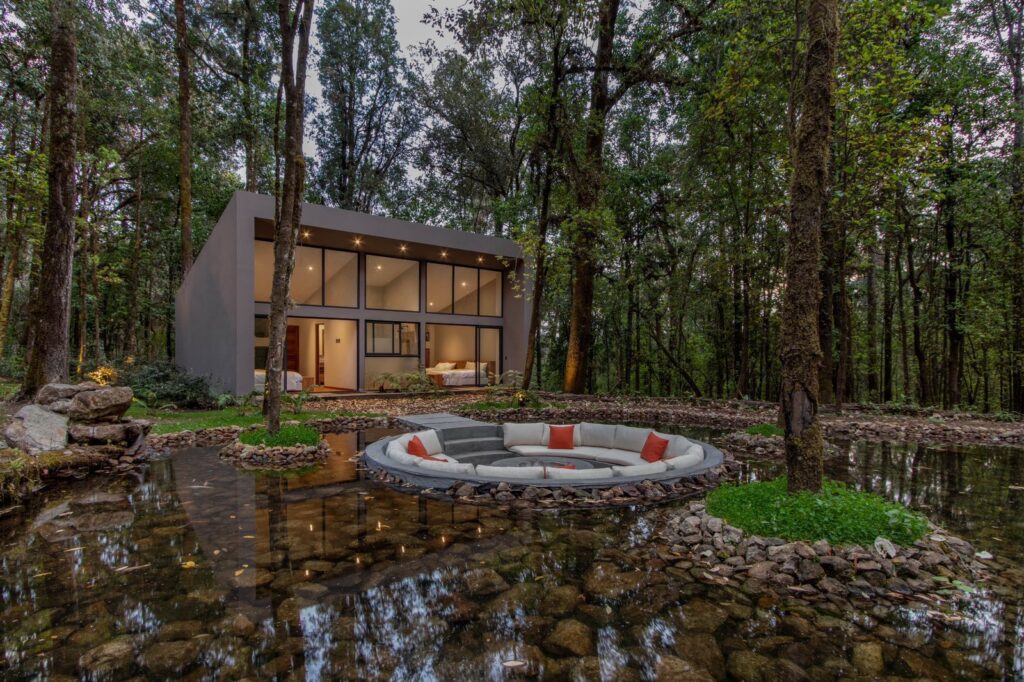
Valle is not for everyone. It does not have the infrastructure of Cabo, the beach, or the concentrated expat scene. What it has is a real town with a real community, extraordinary natural surroundings, a real estate market that has not yet priced in what it offers, and a quality of daily life that people who move here rarely describe as anything other than a significant upgrade.
That is not a pitch. It is what the numbers and the people who live here consistently show.
Worth Adding to Your Research
If you are at the stage of seriously evaluating luxury real estate in Cabo, you are already doing the kind of research that warrants at least one look at a market that operates differently, is priced differently, and delivers a different version of what Mexico at its best can offer.
Valle de Bravo has been off the map for foreign buyers for long enough that the opportunity to arrive before the market fully reflects its value is still real. Whether that matters to you depends on what you’re actually buying for.
But it is worth knowing about before you decide.
The same budget that buys an apartment in a desirable Cabo neighbourhood buys a standalone home on significant land in Valle de Bravo, often brand new and in a setting that no gated resort community can replicate. The markets are not directly comparable because what they offer is fundamentally different, but on a pure price-per-quality-of-life basis, Valle de Bravo is difficult to argue against.
The market is still in an early stage of international awareness, which means prices have not yet caught up with what the town offers. With the Pacific highway set to be completed in 2029 and a growing trend of full-time international residents, the fundamentals point toward appreciation. As with any real estate decision, timing and specific location within Valle matter considerably.
Yes. Foreign nationals can purchase property in Valle de Bravo through a fideicomiso, a bank trust that is standard practice for foreign real estate ownership throughout Mexico. Valle de Bravo is not in a restricted zone, which simplifies the process further compared to coastal purchases. Working with a local notario and a buyer’s agent familiar with the Valle market is the sensible starting point.
Cabo offers ocean access, desert heat, a large North American expat community, and resort-grade infrastructure oriented around beach life. Valle offers a temperate pine forest climate, a lake, genuine Mexican culture, and a slower pace that residents consistently describe as the real quality-of-life upgrade. The two towns attract buyers who want meaningfully different things, and the honest answer is that knowing which one you are tells you most of what you need to know.