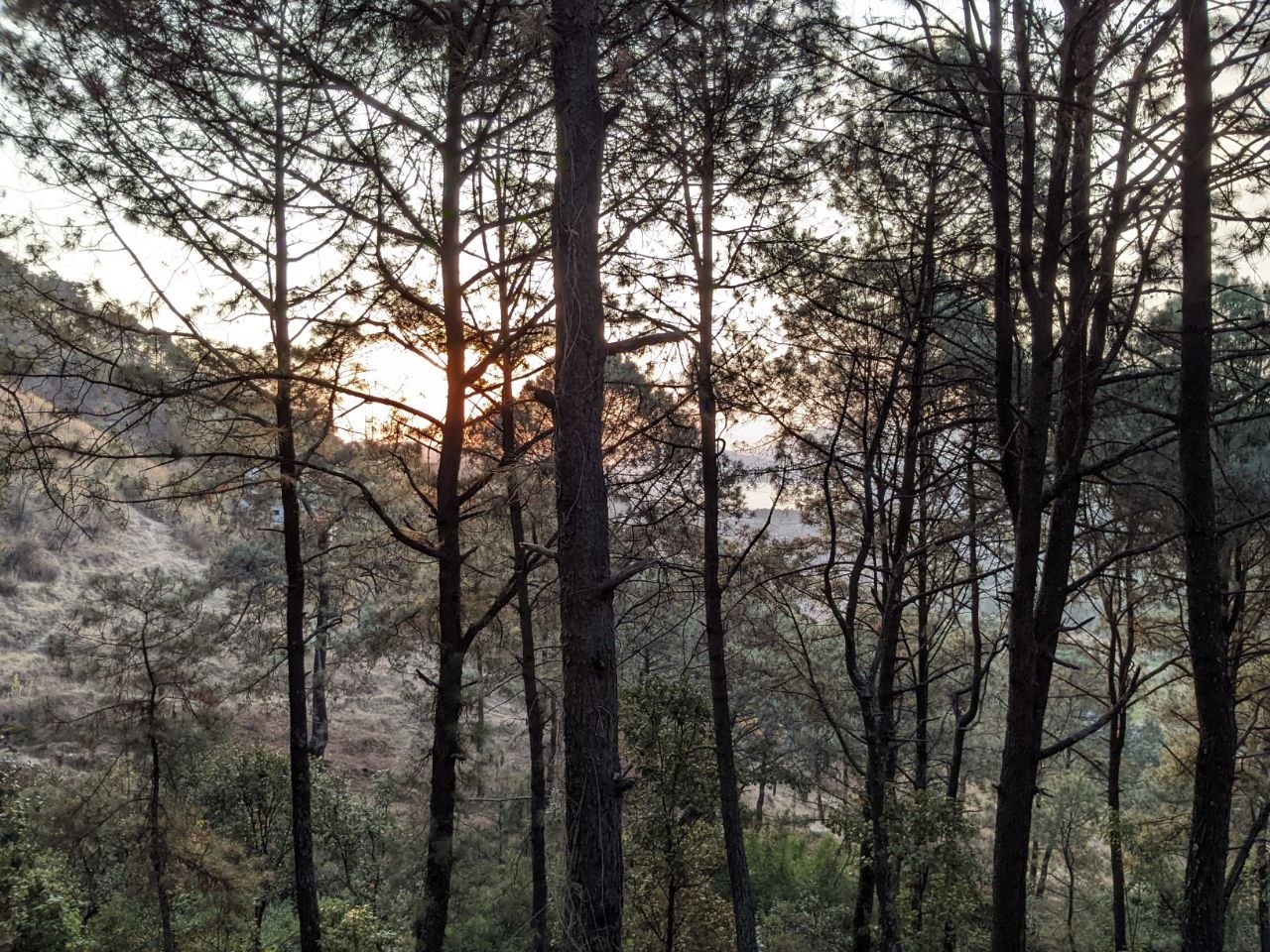

The Valle de Bravo weather surprised me. Not in one dramatic moment, but gradually, as I started to understand what this place actually does.
Cold mornings. Warm days. Cool nights. That’s the basic rhythm. But what I didn’t expect was the fog, and how much the elevation would affect not just the temperature, but my mood, my energy, and ultimately where I chose to live.
I’ve been here four years. I live at 2,450 meters above sea level because I prefer cooler weather and I’ve learned what that means for how I feel day to day. This is what I’d tell anyone seriously thinking about Valle de Bravo, Mexico weather, not a climate report, just what living inside it actually feels like.
The Fog Is the Thing Nobody Is Prepared For
I can describe the fog in Valle de Bravo, but I’ll be honest, you don’t fully understand it until you’ve driven through it.
During rainy season it rolls in thick and fast. On the highway approaching Valle, you can go from clear road to near-zero visibility in what feels like seconds. It sits differently at different elevations; you’ll drive through a dense bank of it, emerge briefly into clear air, then drop straight into another layer. It appears from nowhere and changes the whole character of the drive.
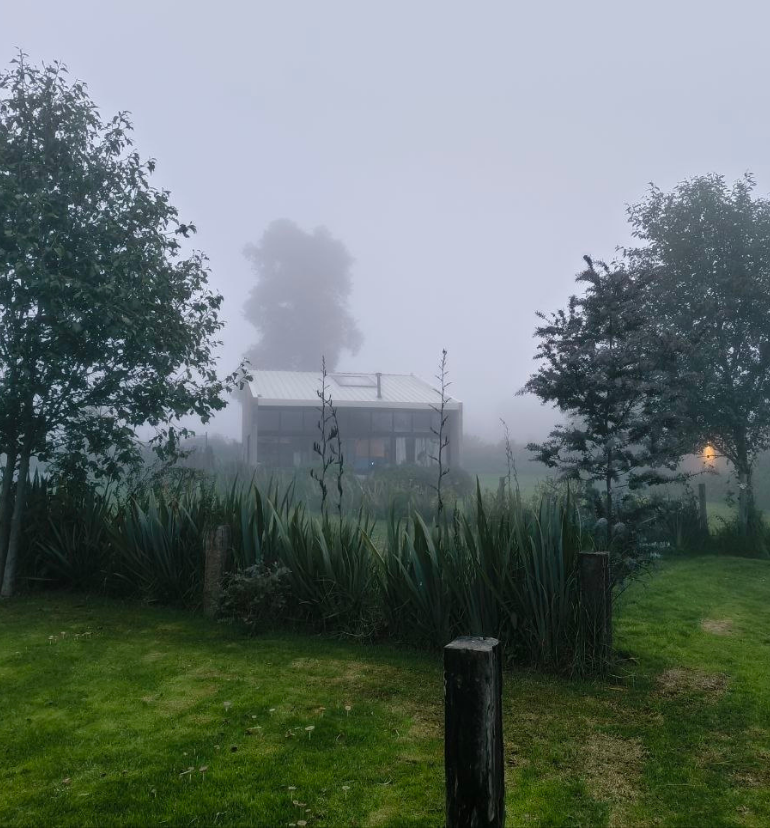
In town, if you’re lucky, as it doesn’t come in as often, it does something different. It moves through the streets slowly, settles into the lower areas, wraps around the colonial buildings. At higher elevations in the forest it becomes something else entirely. The trees disappear into white, the house feels like it’s inside a cloud, and the whole landscape goes quiet in a way that’s hard to describe without sounding dramatic. But it genuinely is that atmospheric.
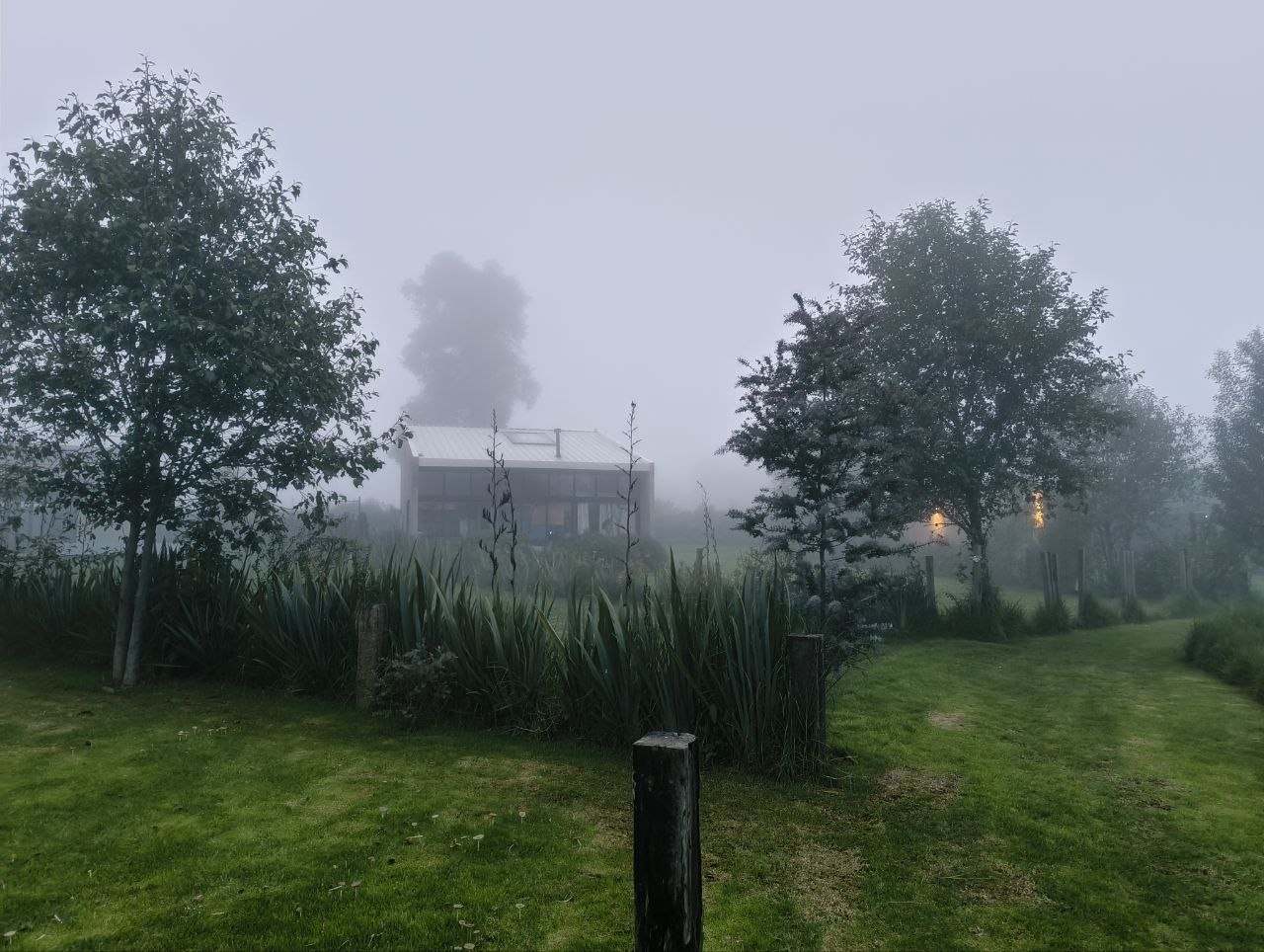
Sitting with a coffee in the early morning, watching fog fill the forest before the day starts, that’s my favourite weather moment here. The birds are still going. The house is still warm. And the world outside has been replaced by something much older and much quieter. I open the house to it when it comes.
Some people might find it unsettling. I find it one of the best things about living here. It’s worth knowing which camp you’re in before you choose your elevation.
How Elevation Changes More Than Just Temperature
This is the thing that surprised me most about Valle de Bravo weather, more than any specific weather event.
The microclimates here are real and they are significant. The difference between the valley floor at around 1,850 meters and where I live at 2,450 meters isn’t just a number on a chart. You feel it in your body. Cooler temperature means sharper energy for me: clearer thinking, more focus, a different quality of attention during the day. When I go down to town on a warm midday in the hotter months, I feel it. The warmth slows things down. That’s not a complaint about town; it’s just what warmer air does.
For me personally, I prefer the higher elevation. On hot days I go down to Valle early and I’m back before the midday heat builds. That’s not a hardship; it’s just how I’ve learned to work with the Valle de Bravo weather rather than against it.
But this is genuinely individual. Some people love the warmth and find the higher elevations too cold and too quiet. Some people choose their property specifically for the warmth of the south-facing areas near the valley. Neither is wrong. The point is that in Valle, you have a real choice and that choice shapes your daily experience of the place more than almost anything else.
My advice: before you decide where to buy or rent, spend time at different elevations at different times of day. Don’t just visit Avándaro on a Saturday afternoon. Drive up to San Simón or Los Saúcos on a Tuesday morning in the rainy season and sit with it. See what it does to you.
The Three Seasons: What They Actually Feel Like
November to February: Cold Mornings, Clear Days
The dry cold season is stunning to look at and demanding to dress for. Days arrive with crystal-clear blue skies and a brightness that makes the mountains look sharp and close. Midday is comfortable: 21C/70F to 23C/74F at valley level. But the temperature drops fast after sunset and by evening you need a proper jacket. Nights fall to 7C/45F to 10C/50F at town level. At my elevation it gets colder.
In January, light frost appears on the ground in the higher areas; the locals call it escarcha. The forest is coated in white at dawn and gone within an hour of sunrise. You’d miss it entirely if you slept in.
The gap between midday and midnight in the dry season can be fifteen degrees or more. The practical reality: you will wear a t-shirt in the afternoon and reach for a down jacket by nightfall. That’s not case by case; that’s every day.
March to May: The Hottest Months
The hottest time of year for Valle de Bravo weather. Humidity drops to its annual low, sometimes as low as 30%, and days push 27C/81F to 30C/89F at the valley level. Nights stay cool at 9C/48F to 13C/55F.
May is the peak. This is when I notice the heat most in town and tend to plan my days accordingly: early in, early back. For anyone visiting to look at properties, March and April are excellent months. Clear, warm, easy to be outdoors and understand the landscape properly.
June to October: Rainy Season, The Better Half
Most people visit Valle in the non-rainy months. That’s the mistake I see most often. The rainy season is, in my view, the better half of the year here and most people who only visit in the dry season never find out.
The pattern is consistent and completely liveable once you know it. Mornings are sunny. The sky builds through the afternoon. By one or two in the afternoon, the storm arrives. Proper mountain thunderstorms: lightning over the peaks, rain that means business, the kind of afternoon that makes you want a covered terrace and nowhere to be. Often, it will continue till late evening and at times throughout the night. The air, however, smells like this specific place: pine and wet earth and the forest releasing everything it absorbed.
Temperatures are moderate: 23C/73F to 25C/77F during the day. 12C/53F to 14C/57F at night. August tends to be the wettest month.
What the rain does to the landscape is one of the more remarkable things about living here. The valley goes from brown and golden to intensely, almost unnervingly green within days of the first serious rain. You watch it happen in real time. The hillsides change. Everything that was dry comes alive. After four years it still surprises me.
Plan outdoor activities for the mornings. The afternoon storms are predictable enough to build your day around them. That rhythm becomes natural quickly.
Where You Live in Valle Changes Everything
The table below is the most practical thing in this blog for anyone making a location decision. The elevation you choose determines the climate you wake up in every day.
The elevation you choose determines the climate you wake up in every day.
| Location | Elevation | Climate | What it actually feels like |
| San Gaspar | ~1,900m | Warmest | South-facing, sunniest area in Valle. Feels 3-5C warmer than town. More Mediterranean than mountain. |
| Valle Center | ~1,850m | Temperate | Most stable microclimate. Spring-like most of the year. The baseline everything else is measured against. |
| Avandaro / Acatitlan/Monte Alto | ~2,000m | Temperate-cool | Dense pine forest traps moisture. Cooler and fresher than town. Foggiest mornings. Smells like pine all year. |
| Cerro Gordo | ~2,200m | Temperate-cool | Noticeably crisper air than town, heavily forested with immediate access to mountain trails. A transition zone before the high cold. |
| San Simon el Alto | ~2,400m | Semi-cold | Colder nights, more fog, more atmosphere. Cooler energy. Not for everyone; exactly right for some. |
| Los Saucos | ~2,600m+ | Cold | The coldest zone. Frost in January is normal. Full mountain experience. |
One Thing Most People Don’t Think About: The UV
Valle sits at nearly twice the elevation of Denver, Colorado. The UV index is significantly higher than at sea level, and the cool mountain air disguises it completely. You can be hiking in the forest on an overcast morning in the rainy season and burn faster than you would on a sunny beach day at sea level.
This catches people out repeatedly, especially in the higher elevation areas where the air feels cool and the sun feels mild. It isn’t.
Bottom Line
Valle de Bravo weather actively shapes how you live: your energy, your routine, your mood, and where in the valley you choose to be. That’s unusual. In most places you live, the weather is the background. Here it’s part of the experience.
The fog alone is worth experiencing. The rainy season is worth visiting for. The elevation choice is worth taking seriously before you commit to a property.
If you’re trying to understand what the clima Valle de Bravo would actually be like at a specific elevation or in a specific neighborhood, that’s a conversation I’m happy to have from four years of direct experience.
That’s what I’m here for.
The best time depends on what you want to experience. March and April offer clear skies and warm days, ideal for exploring properties and the landscape. The rainy season from June to October brings lush greenery and dramatic afternoon storms, which many full-time residents enjoy. The winter months are the clearest but come with colder mornings and nights.
For most people, no. The climate stays mild overall, but temperature varies significantly by elevation. Lower areas remain warm and spring-like most of the year, while higher elevations can feel genuinely cold at night, especially in winter. Choosing the right microclimate is more important than the overall region.
Elevation changes more than temperature. It affects energy levels, sunlight exposure, humidity, and even how quiet or atmospheric a place feels. Higher elevations tend to be cooler, foggier, and more secluded, while lower areas are warmer, sunnier, and closer to town activity. Where you live directly shapes your daily routine.