
I’ve lived outside my home country for twelve years. Cities across Southeast Asia, some of the most populated, most intense urban environments on the planet. I know what it feels like to arrive somewhere new, to be the obvious outsider, to slowly build a life in a place that wasn’t built for you.
None of that fully prepared me for Mexico.
Not because it was harder. In some ways it was easier. But because it was different in ways I didn’t expect, and the differences turned out to matter more than I anticipated.
I’ve been based in Valle de Bravo for four years now and have traveled through twelve Mexican states from here. If you’re wondering what living in Mexico is actually like, not the highlights reel, not the headlines, but the day-to-day reality, this is the honest version. The experience of expats living in Mexico doesn’t get written about honestly enough from the inside. Most accounts are either too positive or too anxious. This one tries to be neither.
Why Mexico Is Unlike Any Country I’ve Lived In
The thing that surprised me most about Mexico, and continues to surprise me, is the diversity of the country itself.
Since settling in Valle de Bravo I’ve traveled through twelve states, and every single one felt genuinely different. Different people, different food, different accents, different culture, different landscape. Not slightly different. Fundamentally different. Mexico City to Oaxaca to the Yucatan to the Pacific coast to the highlands of the State of Mexico: these places share a country and a language and not much else. Each one feels like arriving somewhere new. And after every trip I’ve come back to Valle de Bravo happy to be home. That says a lot about both the country and the place.
That diversity is one of the most underrated things about what living in Mexico is like. When people ask me to describe it I don’t really know how to answer because the question is too broad. It’s like asking what Europe is like. The range is that significant.
For someone who values that sense of constant discovery, new food, new culture, new ways of seeing ordinary things, Mexico delivers that without ever requiring you to get on a plane. You just drive in a different direction.
The Village That Changed Everything
I want to tell you something that might be unexpected given that I’d spent the previous eight years in cities of ten million people or more.
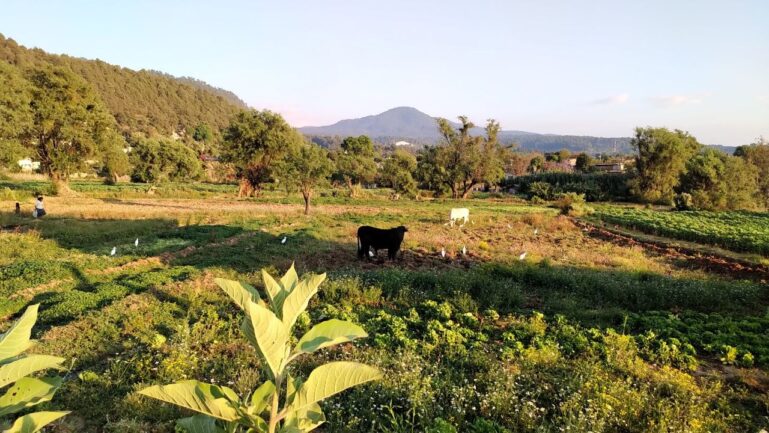
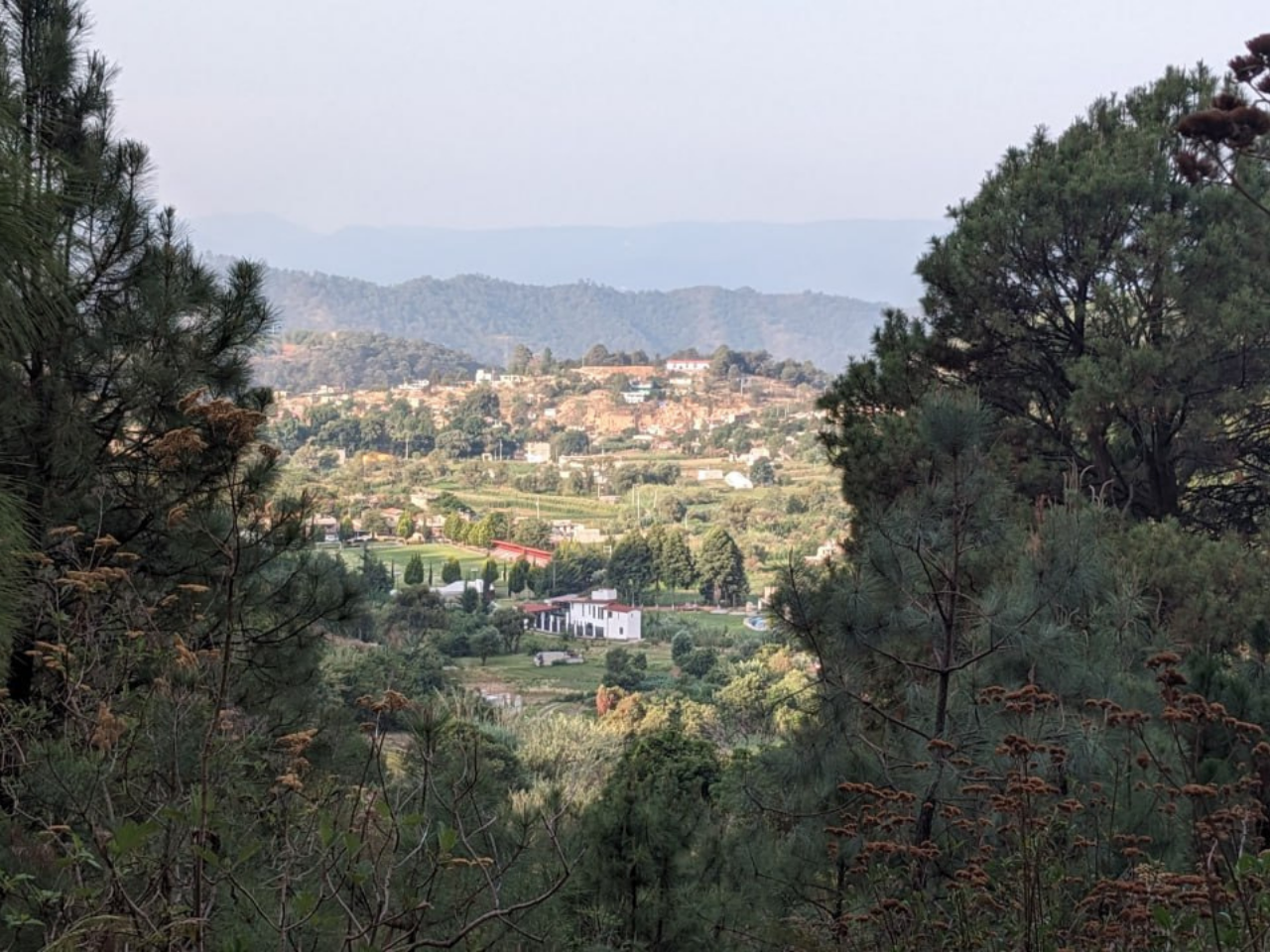
When I moved to Mexico, I moved to a village. Not Valle de Bravo town. A village in the municipality of Valle de Bravo with fewer than 500 people, in the countryside, at high elevation. This is not the experience most expats living in Mexico choose. After years of being one anonymous face in an enormous city, I was suddenly in a place where everyone noticed everything.
In Asia, I stood out obviously as a foreigner. But large cities are used to foreigners. Nobody looked twice. I’d learned the local languages, Vietnamese and Khmer among them, and while I was clearly not local, the urban environment absorbed that easily.
The Mexican countryside is different. Here, I don’t look foreign. People initially assume I’m Mexican. And then they find out I’m not, and the reaction is something I wasn’t prepared for. The looks, the slight strangeness in how people interacted with me. Not unfriendly, but definitely different. Small communities aren’t used to foreigners the way cities are, and I felt that daily.
What made it genuinely challenging wasn’t the language. It was that reaction. In Asia I was visibly foreign and nobody thought twice about it. Here I looked like I belonged and then surprised people when I didn’t. That gap took real adjustment.
The Spanish came faster than I expected, partly because I had no choice. I went almost two years without speaking English in public. No English-speaking environment, no expat bubble to retreat into. Just the village, the market, the road, the neighbours. That forced immersion accelerated everything. When I eventually found myself in an English-speaking context again it felt genuinely strange. I’d gotten so used to operating entirely in Spanish that switching back took a moment.
I’m grateful I put myself in that situation. It was uncomfortable at times but it gave me something that years of classroom learning never could: the language as it’s actually spoken, in a real community, with real problems I needed to solve in a foreign language.
It took me two years to fully let my guard down. The shift happened when I stopped thinking of myself as a foreigner waiting to be accepted and started thinking of myself as a local. The moment I genuinely stopped caring what people thought, not as a performance but actually, everything changed. The interactions got easier. The community opened up. Mexico started feeling less like a place I was living and more like home.
It feels like home now. That took time and it wasn’t always comfortable. But it was worth every bit of the adjustment.
Honest Challenges: What Nobody Tells You Before You Move
I’d rather tell you these directly than have you discover them after you’ve committed.
Bureaucracy.
Things take longer here than you expect. Not because of incompetence, but because the system works differently and patience is not optional. Permits, residency paperwork, notary processes, government appointments. Build significantly more time into any administrative task than you would at home. This is true across the country and it doesn’t change much with experience. You learn to plan for it rather than fight it.
Banking.
Opening and maintaining a bank account as a foreigner in Mexico is more complicated than most people anticipate. Requirements vary by institution and the purpose of the account. Having residency helps significantly. Some banks are more foreigner-friendly than others. Getting this sorted early, before you need it urgently, is one of the most practical pieces of advice I can give. It takes longer than you expect and the process is not intuitive.
Taxes.
This one catches people off guard. If you are a resident in Mexico with income, including a foreign income, you are required to file taxes monthly, not annually. Monthly. This is a real operational difference from most countries and it requires a good local accountant from day one. Not eventually. From the beginning. I have two businesses here and the tax structure for a foreign business owner requires proper professional guidance. Don’t try to figure this out alone.
Business Culture.
Mexico is a relationship-first culture. Processes and contracts matter, but they matter less than the quality of the relationship behind them. Business moves at the speed of trust here, not the speed of paperwork. For someone coming from a culture where systems are the primary mechanism of getting things done, this requires a genuine mindset shift. Not just patience, but a different understanding of how professional relationships work. The people who adapt to this thrive. The people who fight it don’t.
The Reputation Gap.
Mexico’s international reputation does not match the daily reality of expats living in Mexico. The headlines and the lived experience are two different things. That gap is frustrating to navigate when you’re first arriving and everyone at home is asking questions shaped by news coverage that doesn’t reflect what you’re actually experiencing. You will spend time explaining this to people who’ve never been. That gets easier over time, but it never fully stops.
What Is Living in Mexico Like: The Part the Headlines Miss
After four years and twelve states, here is what I’d tell someone who only knows Mexico from the outside.
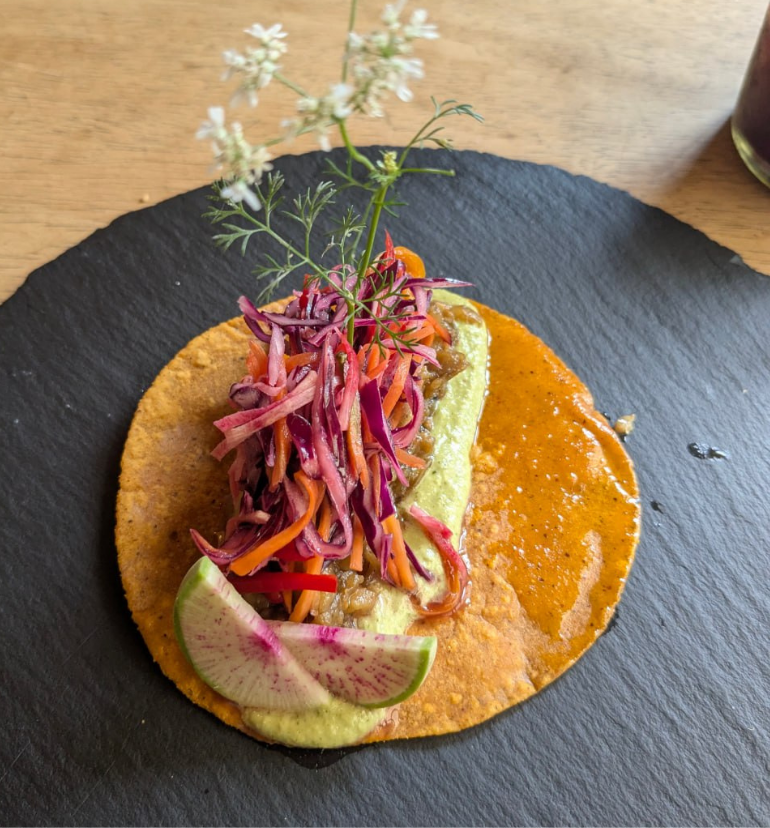
The food culture is world-class. Not in the way that gets written about for tourists. In the way that you discover when you’re eating in a market in Oaxaca or a family restaurant in Guadalajara or someone’s home in a village in the State of Mexico. The diversity and depth of Mexican cuisine across regions is extraordinary. It changes completely from state to state and it is consistently, genuinely excellent.
The people are warm in a way that is real rather than professional. Hospitality here is cultural, not transactional. Once you’re inside someone’s trust in Mexico, which takes time and is earned rather than assumed, the generosity and loyalty of the relationships you build are unlike anything I’ve experienced in twelve years of living abroad.
The country is safe to live in for the vast majority of people in the vast majority of places. The international perception of Mexico’s safety does not reflect the experience of someone who lives here thoughtfully, knows their area, and uses common sense. I’ve written about whether Valle de Bravo is safe in another blog post. The short version: stop letting the headlines make a decision that your direct research should make.
And the diversity, which I keep coming back to, is genuinely one of the most remarkable things about this country. Every state is its own world. Every region has its own food, its own character, its own way of being Mexican. Understanding what living in Mexico is like means understanding that it’s not one thing. It’s many, and they keep surprising you no matter how long you’ve been here.
Running a Business as an Expat Living in Mexico
I have two businesses in Mexico. I want to say that clearly because it’s relevant, and because a lot of people assume it’s either impossible or deeply complicated.
It’s neither. But it requires the right guidance, the right structure, and the right local relationships from the beginning.
The legal framework for foreign business ownership in Mexico is workable. What makes it work is having a good accountant, a good lawyer, and a genuine understanding that business here operates on trust and relationship before anything else. Trying to impose a foreign business culture onto Mexican business culture is one of the faster ways to make things harder than they need to be.
The monthly tax filing requirement means you need professional accounting support from day one. That cost for non-compliance is real and it’s not optional. Build it into your budget before you start, not after you realise it’s necessary. That being said, taxes are reasonable compared to many countries, with the highest income earners paying upwards to 32%.
The upside is that once you have the right structure in place and the right people around you, operating here is genuinely viable, and the cost base for running a business is significantly lower than in most comparable markets. That advantage compounds over time.
Who Thrives as an Expat Living in Mexico: And Who Doesn’t
Four years of watching people arrive in Mexico and either settle into it or struggle with it has given me a fairly clear sense of what separates the two.
The people who thrive here are genuinely curious about Mexico, not just comfortable with it. There’s a meaningful difference between tolerating a different culture and being actively interested in it. Mexico rewards the second type of person and tends to frustrate the first. If you want Mexico to be a slightly cheaper, warmer version of where you came from, it won’t deliver that. If you want it to be its own thing, which it absolutely is, you’ll find more here than you were looking for.
Language matters more than people expect. Spanish is not optional outside of expat bubbles, and learning it in a real community context, not just a classroom, accelerates everything else. The relationships, the business, the sense of belonging. I learned Spanish in a village in the Mexican countryside. It was uncomfortable and slow and occasionally humiliating and it was the best thing I did.
Experience living abroad helps. Not because Mexico is uniquely difficult but because the adjustment curve of any international move requires a specific kind of tolerance for uncertainty that you develop over time. People who have done it before understand that the first year is always the hardest and that feeling out of place is not the same as being in the wrong place.
And finally: the people who do best here are the ones who eventually stop measuring Mexico against somewhere else. The day you stop thinking about what’s different and start just living, that’s when it becomes home.
For me, that took about two years. It was worth every uncomfortable moment that preceded it.
Why I’m Still Here
I could have gone back to a major Asian city. I could have moved to Europe, Canada or to the US. I had options, and I’ve thought about all of them at various points.
I’m still here because Mexico keeps giving me things I don’t find elsewhere. A country diverse enough that I’m still discovering new parts of it after four years as an expat living in Mexico. A quality of daily life, particularly in Valle de Bravo, that I haven’t replicated anywhere else I’ve looked. A community of people who made deliberate, interesting choices and are therefore interesting to be around. And a sense of being genuinely settled somewhere, of having built something real, that took time to develop and that I’m not in a hurry to leave behind.
It’s not a perfect country. No country is. But for the right person, curious, adaptable, willing to put in the time, it’s an extraordinary one.
If you’re seriously considering making the move and want to understand what living in Mexico is actually like from someone who has built a real life here, that’s a conversation worth having.
That’s what I’m here for.
Spend time in your local community and use the language in real situations, not just in lessons. Familiar faces and consistent interactions go a long way here. At a certain point, people stop treating you as temporary and start treating you as part of the community.
The shift to monthly tax filings is the one that tends to surprise people. It requires a bit more structure than many are used to. Having a capable local accountant in place from day one keeps things clean and predictable.
Global coverage tends to focus on outliers rather than everyday reality. Most people living here experience something far more stable and nuanced. Once you understand your area and how to move within it, the disconnect becomes clear.
It helps to approach Mexico on its own terms rather than as a comparison exercise. The people who settle in well are the ones who are genuinely interested in how things work here. It starts to feel like home when you stop measuring it against somewhere else.