
Most people who make the Mexico City to Valle de Bravo drive for the first time think of it as a weekend escape. A Friday drive up into the mountains. Two days by the lake. A Sunday evening return to the capital feeling like a different person.
Valle de Bravo has quietly held its place as one of the best small towns near Mexico City for decades, passed around almost exclusively among the capital’s professional class. But there’s a bigger picture here that almost nobody has connected yet. And by the time most people do, the opportunity will have already moved.
Valle de Bravo is about to sit at the center of something genuinely rare: a lifestyle triangle that gives you a world-class city, a mountain town built for deep focus and disconnection, and direct access to one of Mexico’s most beautiful Pacific coastlines. All within roughly four hours of each other.
The city and the mountains already exist. The beach connection is coming, funded, confirmed, currently under construction, and projected to complete by December 2029.
I’ve lived in Valle full time for four years. I drive the Mexico City to Valle de Bravo route regularly. I’ve been to Zihuatanejo. I’ve driven part of the current mountain road that the new highway will replace. I’m not speculating about what this triangle will feel like. I’m living a version of it already.
Here’s what I’d want a serious buyer to understand before the market catches up.
The Drive From Mexico City to Valle de Bravo: What It Actually Means
The Mexico City to Valle de Bravo drive takes about two and a half hours, depending on where you’re starting and what time you leave with your own vehicle.
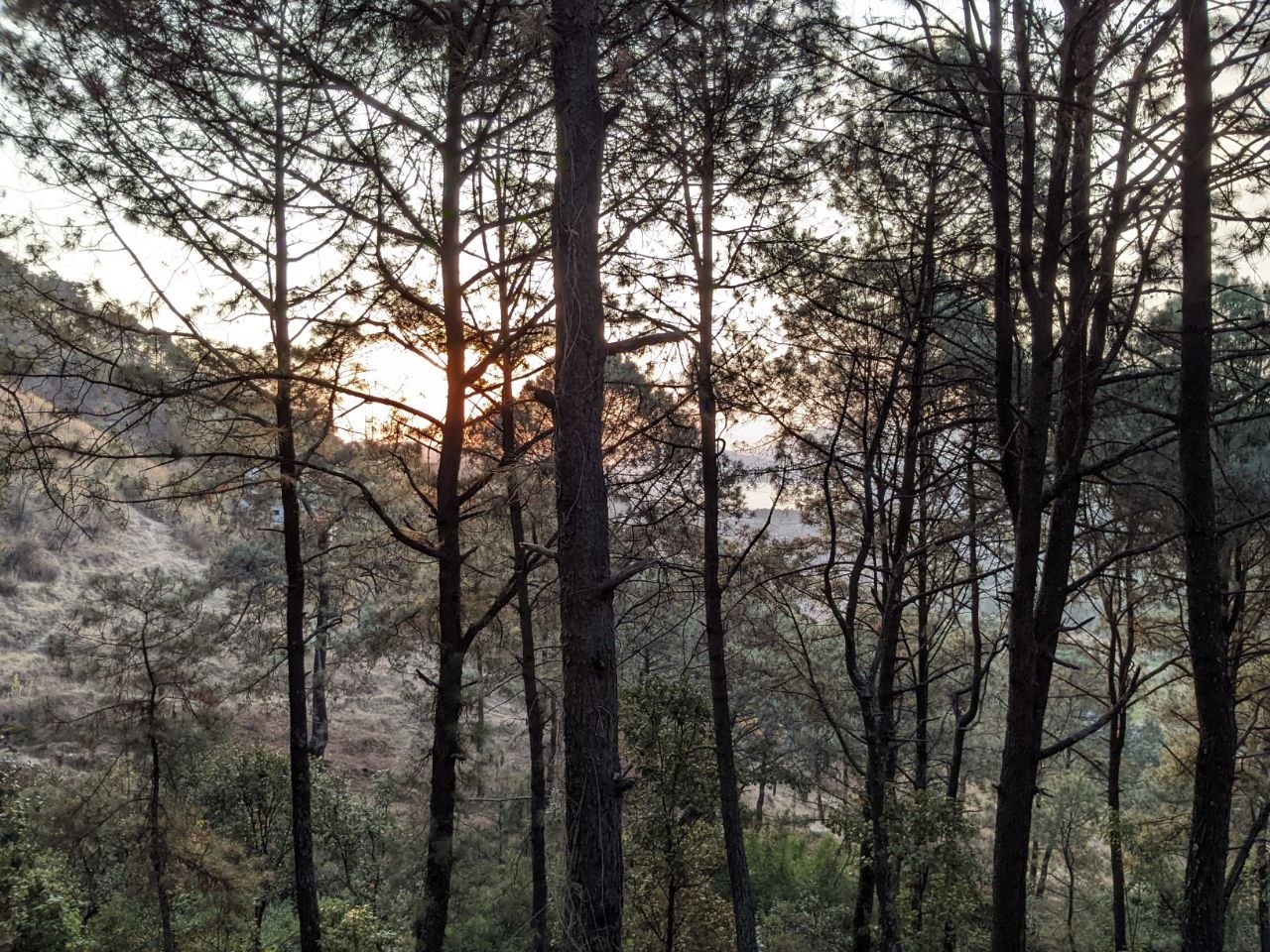
There’s something about leaving on your own terms, no bus station, no lines, no schedule that isn’t yours, that feels different. The road out of the city is the transition. By the time the highway climbs into the mountains and the pine forest starts appearing on either side, something has already shifted. The city is behind you. The noise is behind you. You arrive in Valle ready for it in a way that a flight somewhere never quite produces.
For people considering Valle as a base rather than a destination, that drive becomes part of the rhythm of life. Mexico City is not a compromise you accept to live here. It’s an asset you access when you want it. This is something I’ve written about more broadly when explaining what living in Mexico is actually like over the long term. A major international airport, world-class restaurants, culture, business infrastructure: all of it is two and a half hours away. And when you’re done with it, you drive back into the mountains, and it stays there.
I choose when I want the city energy. It doesn’t choose me. That distinction matters more than it sounds.
The Valle de Bravo to Mexico City direction works just as well in reverse. You leave on your terms, two and a half hours later you’re back in the capital, with however much city you actually wanted.
For people who prefer not to drive, there is a helicopter service that connects Valle de Bravo to Mexico City in under thirty minutes. It exists, it’s used, and for someone whose time has real value on a particular day, it’s a legitimate option. But most of the people I know who live here drive. The journey is part of it.
Toluca airport is also worth knowing about: roughly an hour and a half from Valle, it handles a growing number of domestic routes and takes significant pressure off the Mexico City airports for regional travel.
What the Drive Toward the Coast Currently Looks Like
I’ve driven part of Federal Highway 134, the road that heads southwest from the Valle de Bravo region toward Tejupilco and Temascaltepec, and eventually all the way to the Guerrero coast.
It’s a beautiful drive. It’s also demanding in a way that currently makes it a trip you plan rather than a trip you take spontaneously.
The road narrows significantly as you leave the valley and climb into the sierra. The curves slow everything down. The views are spectacular, you’re moving through mountain landscape that most tourists never see, but the road demands your full attention. What looks like a manageable distance on a map takes considerably longer than you’d expect.
That’s the current reality. A drive from Valle de Bravo to Mexico City is 2.5 hours. A drive to Zihuatanejo on the existing route takes eight hours or more. Beautiful, but not something you do for a long weekend.
That’s exactly what the new highway changes.
The Toluca-Zihuatanejo Highway: What’s Actually Being Built
This is the piece that most people, even people paying close attention to the Valle de Bravo market, haven’t fully processed yet.
The Mexican federal government is currently constructing a major modernization of Highway 134, connecting the Toluca area to Zihuatanejo on the Pacific coast. This is not a proposal or a plan. It is one of the named “100 Commitments” of the Sheinbaum administration. It has a budget. It has an active construction schedule. It is happening.
The numbers are significant. Approximately $18.6 billion MXN, roughly $1 billion USD, committed to 317 kilometers of highway intervention. The current road, a two-lane mountain route in many sections, is being widened to three and four lanes with elevated bridges, underpasses, and new bypasses to eliminate the bottlenecks that currently make the drive so slow.
As of early 2026, the project is approximately 33% complete. The most advanced section, Toluca to Tejupilco, is already showing the widening and infrastructure work. The 2026 construction plan is focused on a 38-kilometer stretch advancing from Tejupilco toward Temascaltepec. Full completion is projected for December 2029.
The route runs: Toluca, Nevado de Toluca area, Temascaltepec, Tejupilco, Ciudad Altamirano, Coyuca de Catalan, Zihuatanejo.
When complete, the drive from the Valle de Bravo region to the Pacific coast drops from eight-plus hours to roughly four. That is a transformation, not an improvement.
| Current | After Highway (2029) | |
| Valle to Mexico City | ~2.5 hours | ~2.5 hours (unchanged) |
| Valle to Toluca Airport | ~1.5 hours | ~1.5 hours (unchanged) |
| Valle to Zihuatanejo | 8+ hours | ~4 hours |
| Lifestyle access | City + Mountains | City + Mountains + Pacific Coast |
Zihuatanejo: Why This Specific Destination Matters
Not all beach towns are created equal. And the beach that this highway connects Valle to is worth understanding properly.
Zihuatanejo is not Cancun. It’s not Los Cabos. It’s not the kind of place that has been packaged and sold to international tourism until the original character has been replaced by something designed for visitors.
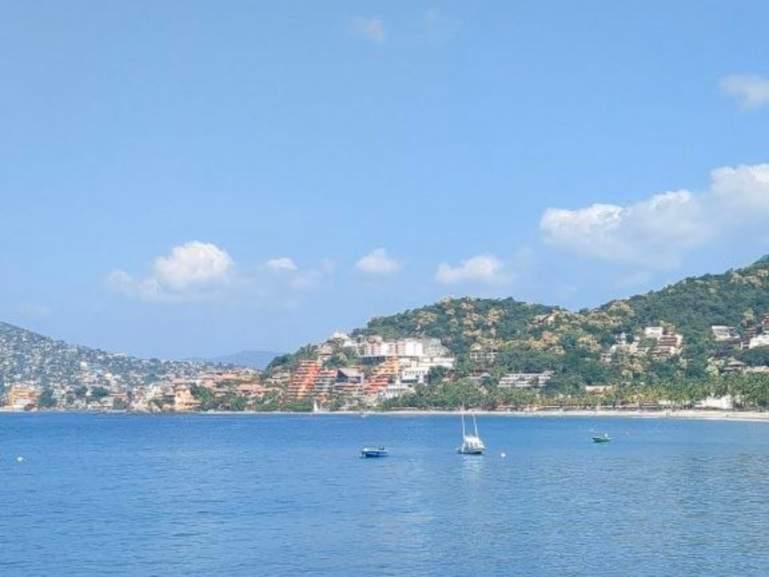
It’s a genuine fishing town on a bay that is, honestly, one of the most beautiful stretches of Pacific coastline I’ve seen. The water is calm. The hills come down to the water dramatically. The energy is completely different from resort Mexico: slower, more local, more real.
What struck me most when I visited was the relationship between the people and the ocean. There’s a genuine culture of respect for ocean life here, a pride in the cleanliness of the water and the beaches that you feel immediately. The beaches are among the cleanest I’ve encountered anywhere. That doesn’t happen by accident; it happens because the community values it.
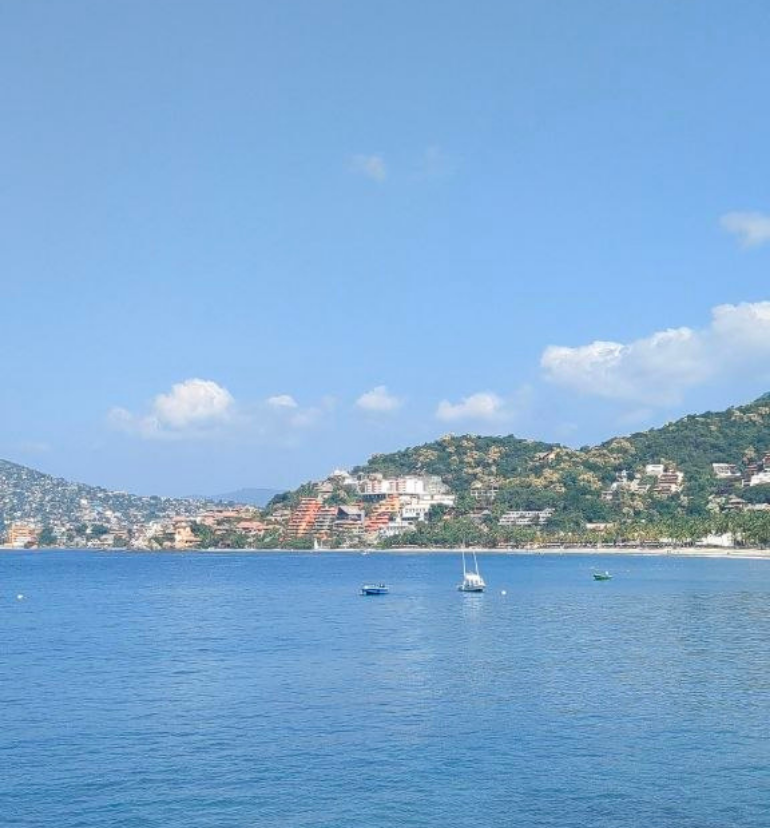
The people of Zihuatanejo are genuinely proud of where they live. That pride shows in how the town is maintained, how visitors are treated, and the character of the place itself. It is, in my view, a destination that everyone should experience at least once.
Right now, getting there from Valle requires either a flight into Ixtapa-Zihuatanejo airport or a very long drive. By 2029, it becomes a four-hour road trip, the kind you leave for on a Thursday afternoon and return from on a Sunday evening, having completely reset.
That accessibility changes what Zihuatanejo means for Valle residents entirely.
The Triangle Most People Haven’t Grasped Yet
Here is the thing I find myself explaining to people who are thinking about Valle seriously but haven’t quite connected all the pieces.
Most people, when they choose where to live, choose one thing. They choose the city because they need the energy and the access. Or they choose nature because they need the quiet and the space. Or they choose the coast because they want the water and the warmth. These feel like trade-offs: you pick your priority and you accept what you give up.
Valle de Bravo is about to make that trade-off unnecessary.
Think about what each point of the triangle actually gives you.
Mexico City, two and a half hours away, is one of the most culturally rich, economically significant cities in Latin America. International flights, world-class restaurants, business infrastructure, art, music, professional networks. When you need the city, it’s there. Completely there.
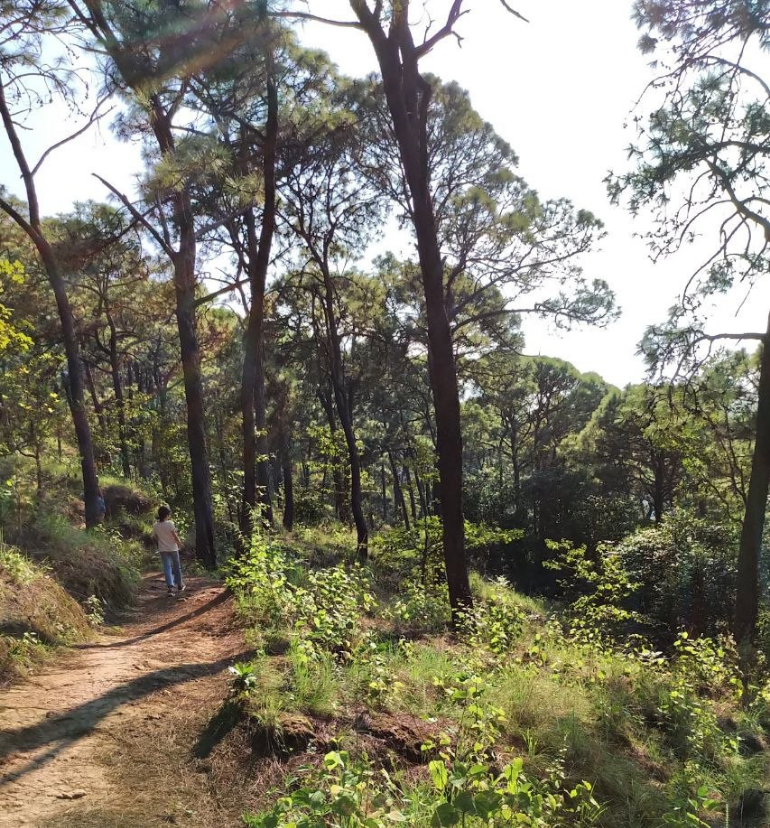
Valle de Bravo, where you actually live, is a mountain and lake town at nearly 2,000 meters elevation, surrounded by pine forest, with a community of people who chose it deliberately. It’s where you do your best work. Where your mornings start with a hike and your evenings end watching the sunset from the deck. Where the quality of your daily life is genuinely higher than it was in any city you’ve lived in before.
Zihuatanejo, four hours away by 2029, is a Pacific coastline that hasn’t been overdeveloped, with warm water, great surfing, spectacular scenery, and a local culture that takes real pride in what it has. It’s where you go to fully decompress. To sit on a clean beach and feel genuinely far from everything that needed your attention during the week.
City for culture and connection. Mountains for focus and quality of life. Beach for total reset.
That combination, accessible from a single base, within a single region, at a price point that makes it realistic, does not exist like this anywhere else I’m aware of. Certainly not for what Valle de Bravo costs today. And certainly not among the best towns near Mexico City at any price.
What This Means for Property Values: And Why the Timing Matters
Infrastructure drives property values. This is not a controversial idea; it is one of the most consistent patterns in real estate across every market in the world. When access improves, desirability increases. When desirability increases, prices follow.
The Toluca-Zihuatanejo highway is a $1 billion government commitment that will, when complete, fundamentally change the access profile of the Valle de Bravo region. It is not a rumor. It is not a proposal. It is 33% built, with a funded construction schedule through 2029 and a named place in the current administration’s infrastructure priorities.
The people buying in Valle today are buying before that highway opens. They are buying at prices that reflect the current access profile, city and mountains, not the future one that adds the Pacific coast.
That gap between current pricing and future access is the opportunity. And it has a known closing date.
When the highway opens, the conversation about Valle de Bravo changes. The international profile of the town changes. The pool of buyers expands. For anyone currently evaluating the best towns near Mexico City to buy property in, the lifestyle case becomes significantly easier to make once that Pacific access is in place.
Right now, most people haven’t fully grasped this. The buyers who are here today, who understand what’s being built and what it means, are positioned in a way that the market hasn’t priced in yet.
I’ve been in Valle for four years. I’ve watched the community grow and the quality of life improve. I’ve seen what the right property here looks like and what it costs. And I’ve read every detail of this infrastructure project carefully because I’m in the process of building here myself.
The triangle is coming. Whether you found Valle de Bravo searching for the best small towns near Mexico City or you already knew it was the answer, the question now is whether you’re positioned before it arrives or after.
If you’re thinking seriously about Valle, as a place to live, to invest, or to build, this is the conversation worth having now.
That’s what I’m here for.
The trip runs around two and a half hours by road, though it depends on your starting point in the city and what time you leave. A helicopter service cuts that down to under thirty minutes if your schedule calls for it. Most people who live here full-time drive, and after a while, the journey becomes part of the rhythm rather than something to get through.
Plenty of people do exactly that, and the setup works well. The capital stays fully accessible for business, meetings, flights, or anything else you need it for, while Valle handles the rest of your week. The people who find it most natural are the ones who stopped thinking of Mexico City as a home base and started thinking of Valle that way instead.
The project is scheduled to be completed in December 2029 and is one of the named commitments of the current federal administration, not a proposal still looking for a budget. Construction is already underway and sitting at roughly 33% complete as of early 2026. When it opens, the Pacific coast drops from an eight-hour drive to around four.
Better access expands the pool of people who can seriously consider living somewhere, and a broader pool of buyers tends to move prices. Right now, Valle is priced around its current access profile, which is city and mountains. Add a Pacific coastline four hours away, and that profile changes considerably, which is the gap between what properties cost today and what they’re likely to be worth once the highway opens.