
I’ve lived in some of the most populated cities on earth.
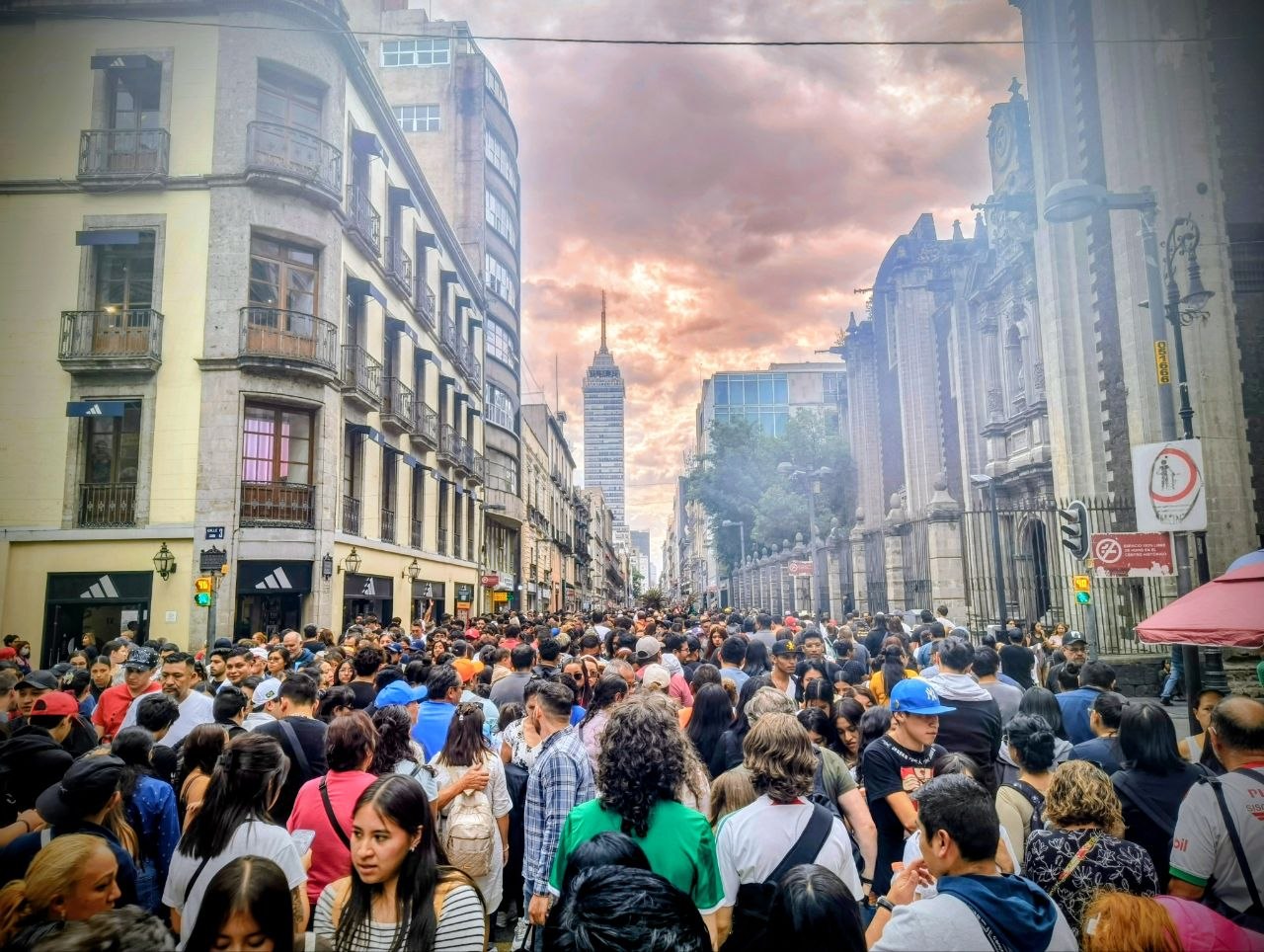
Cities with ten, thirteen, fifteen million, twenty three million people. Cities that never stop moving. Cities where your calendar fills itself and your energy depletes itself and somewhere in the middle of all that motion you tell yourself this is what a productive life looks like.
I believed that for a long time.
Then I moved to Valle de Bravo, a mountain and lake town two and a half hours from Mexico City, and discovered something I genuinely wasn’t expecting.
I work better here. I live better here. And I spend less doing it than I did in Mexico City.
That combination, better output, better quality of life, lower cost, is not something any city I’ve lived in has been able to offer simultaneously. Valle does. And the executives, entrepreneurs, and founders who have quietly been making this move for the last few years have figured that out.
Most people outside of Mexico haven’t.
That gap is closing. This is what I’d want someone to know before it does.
The Problem With City Life That Nobody Talks About Honestly
Here’s the thing about living in a major city as a high-performing professional: the environment works against you in ways that are so constant you stop noticing them.
The noise and pollution are the obvious ones. But it goes deeper than noise. It’s the cognitive load of navigating density, the decision fatigue of a city that presents you with a thousand inputs before you’ve had your first coffee. The commute that takes time you don’t have. The social pressure of a place that always has somewhere to be and something happening. The way the city makes rest feel like laziness and stillness feel like falling behind.
None of this is dramatic. It’s just slow and continuous. And over years, it accumulates.
I didn’t fully understand how much it was costing me until it stopped.
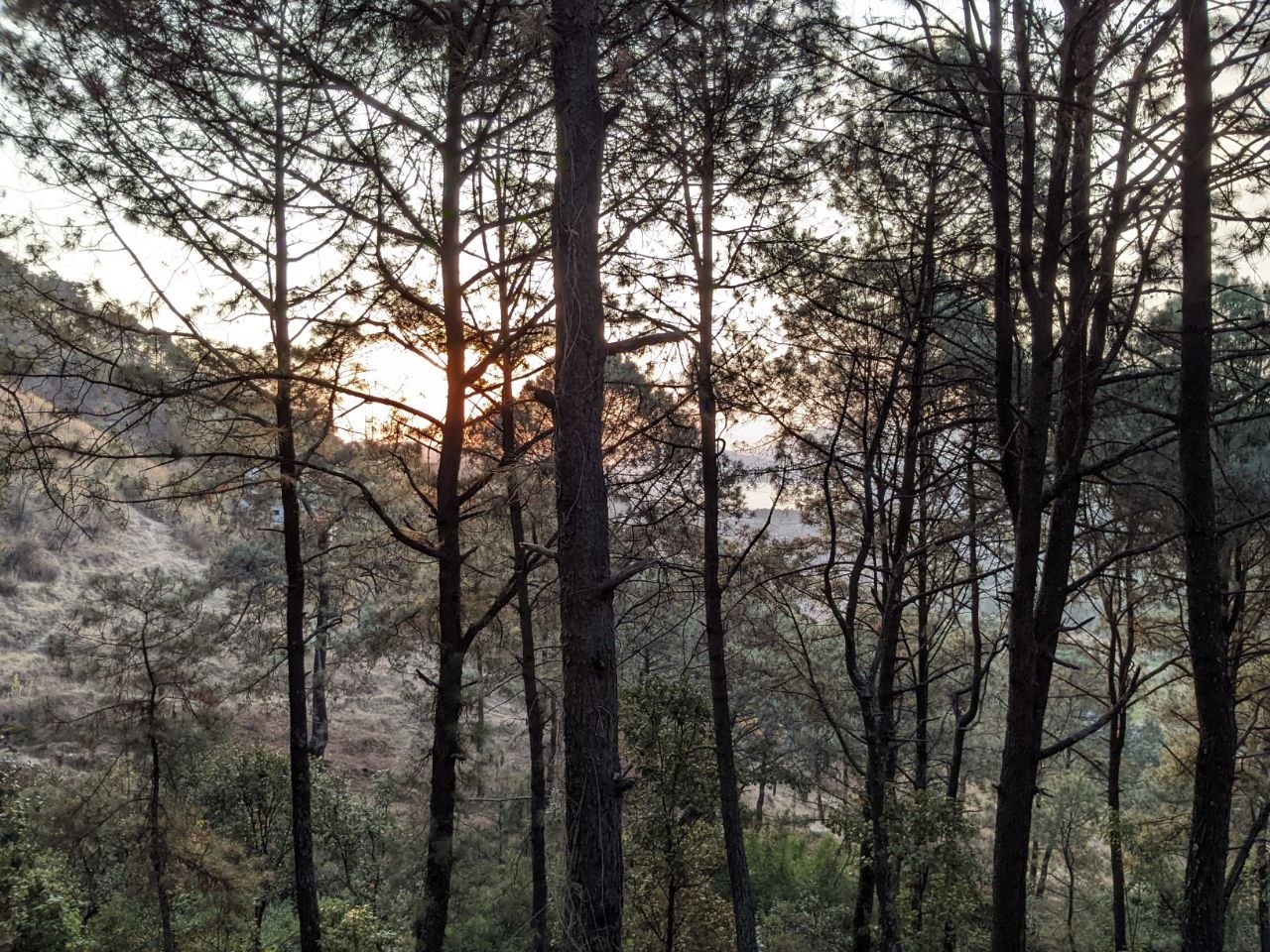
The morning I woke up in Valle, went for a hike through the pine forest before sitting down to work, and noticed that my thinking was cleaner and my focus was sharper than it had been in years, changed how I thought about where a serious professional should actually live.
I want to be specific about this because vague lifestyle talk isn’t useful.
What a Working Day in Valle de Bravo Actually Looks Like
My morning starts with movement. Before the computer opens, I’m outside hiking or walking through the forest trails that start essentially at my door. Not a gym. Not a treadmill. Actual nature, actual elevation, actual silence except for birds and wind through the pines. That’s how the day begins.
By the time I sit down to work, something has already shifted. The body has moved, the mind has cleared, and there’s a quality of attention available that I spent years trying to manufacture in cities through coffee and willpower and carefully curated morning routines.
Here it just happens. Because the environment creates it.
Work itself is different, too. The absence of ambient city noise, the traffic, the construction, the constant low-level sound of a million people moving, changes the texture of concentration. Deep work, the kind that actually produces something worth producing, requires a specific kind of quiet that cities actively work against. Valle has that quiet by default.
The internet is reliable. The infrastructure works. I operate across time zones and manage professional commitments that would have seemed incompatible with a small mountain town before I tried it. They’re not. The idea that serious professional work requires a city address is one of the last myths of the pre-remote era that hasn’t fully collapsed yet.
And then the day ends.
In a city, the end of the work day is a negotiation. When do you stop? The city doesn’t signal anything — it’s the same noise and light and motion at 9pm that it was at 9am. The stopping point is arbitrary and usually gets pushed.
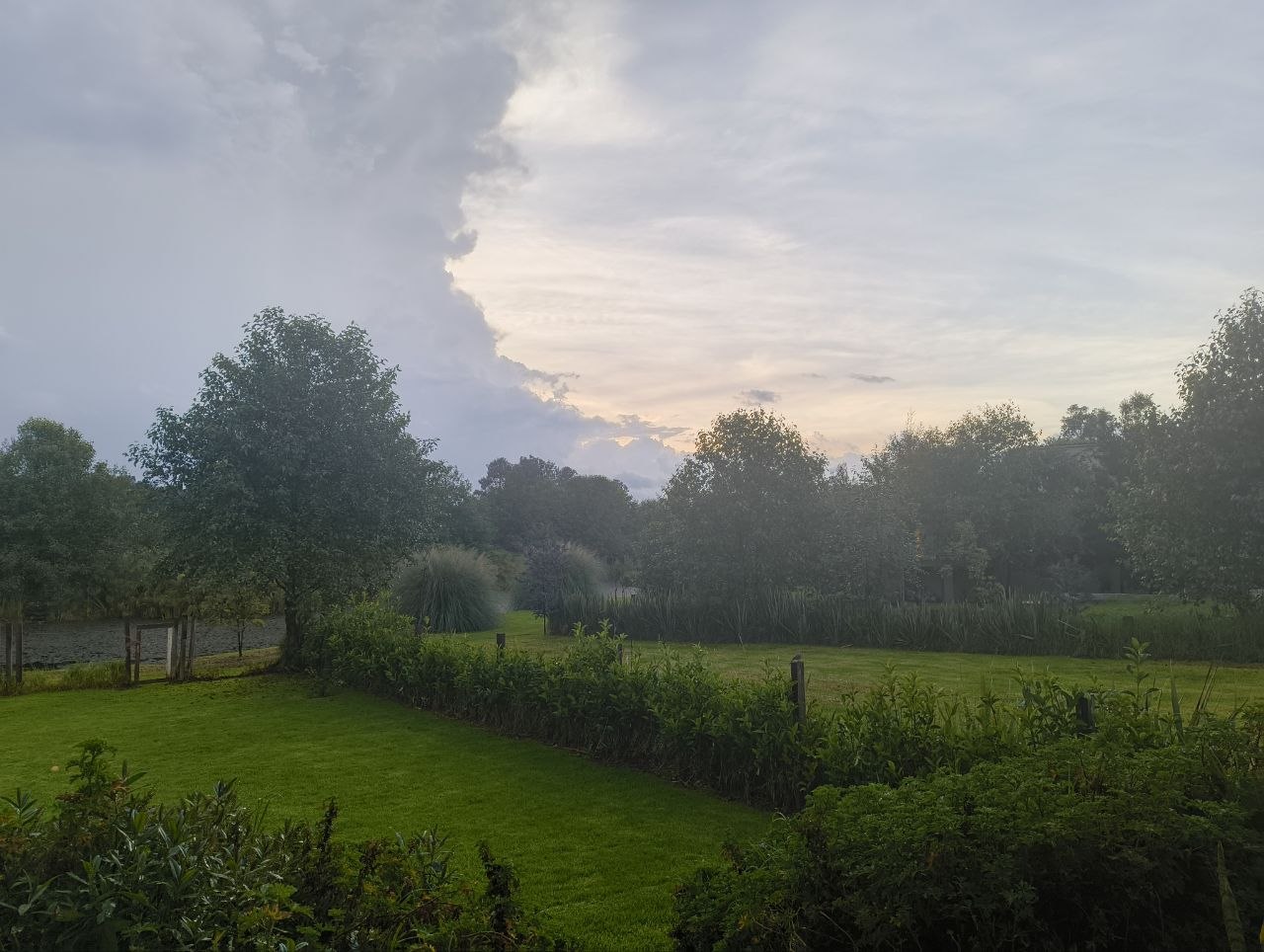
Here, the day ends naturally. The sunset from the deck is not a metaphor; it is a literal, daily signal that the work part is over. I close my files and go outside. That transition from work to evening is physical, not mental. And it sticks in a way that city evenings never quite did.
Then there is the silence. I don’t use the evenings for socialising; the week is reserved exclusively for deep work and total recovery. In Valle, the social atmosphere exists in the periphery, but it doesn’t demand your presence. This allows for a rhythm that feels intentional rather than performative. I don’t just log off for the day, I radically disconnect. I relax, I recalibrate, and I ensure that the transition from the screen to nature is absolute. It is the kind of evening that makes the next morning’s output better, not worse.
Why This Is One of the Best Places to Live in Mexico for Professionals
Mexico has extraordinary places to live. The coast, the colonial cities, the capital itself. Each has something genuine to offer.
But for a remote executive specifically, someone who needs deep focus, values physical access to nature, and wants a community of peers rather than tourists, while still having easy access to one of the largest cities in the world, Valle de Bravo is in a category of its own among the best places to live in Mexico.
The community here is self-selecting in the best possible way. The people who live in Valle full time chose it deliberately. Entrepreneurs who could live anywhere. Investors who wanted a different pace without losing access. Executives who hit a point where the city was taking more than it was giving. Creatives who needed space to think.
Many Mexicans from CDMX came during COVID, planning to stay a few months. They ended up staying permanently. Not because they were stuck, but because they did the math and the math was clear.
The conversations I’ve had in Valle over four years have been some of the more interesting ones of my professional life. When you’re in a place where people have all made a deliberate, unconventional choice, the conversations reflect that.
That community is invisible from the outside. You only find it by being here.
The Cost of Living Reality and Why It Matters
This is the part that surprises people most when I tell them.
I spend less living in Valle de Bravo than I did in Mexico City. Not a little less. Meaningfully less.
And I live better.
That combination is not something I experienced in any city I’ve lived in before. The usual trade-off is: pay more for quality, or pay less and compromise. Valle breaks that equation. The cost of a well-appointed home here, quality food from the organic farms, a full and active outdoor lifestyle — it comes in below what the equivalent cost in a major city, and the equivalent doesn’t actually exist in a major city because the equivalent includes a forest outside your door and a mountain view from your kitchen.
For an executive relocating from the US, the dollar-peso dynamic adds another layer. What represents a very comfortable, high-quality life in Valle is accessible at a price point that would be considered modest in comparable US markets. That gap is real and it compounds over time.
The Best Mountain Towns to Live In: What Valle Offers That Others Don’t
When people search for the best mountain towns to live in, they’re usually imagining somewhere in Colorado, Switzerland, or the Italian Alps. Beautiful places. Expensive places. Places where the lifestyle is real but the entry point is significant and the community is largely defined by wealth rather than interesting choices.
Valle de Bravo offers the same core elements. Mountains, outdoor culture, a community of high-performing people, proximity to a major city with a different character entirely.
The elevation here runs from around 1,800 meters near the lake to nearly 2,600 meters in the forest neighbourhoods. The climate is mountain climate; cool mornings, warm afternoons, cold nights, a rainy season that turns the landscape intensely green and fills the mornings with forest fog that moves through the pine trees in a way that is genuinely one of the more beautiful things I’ve seen anywhere.
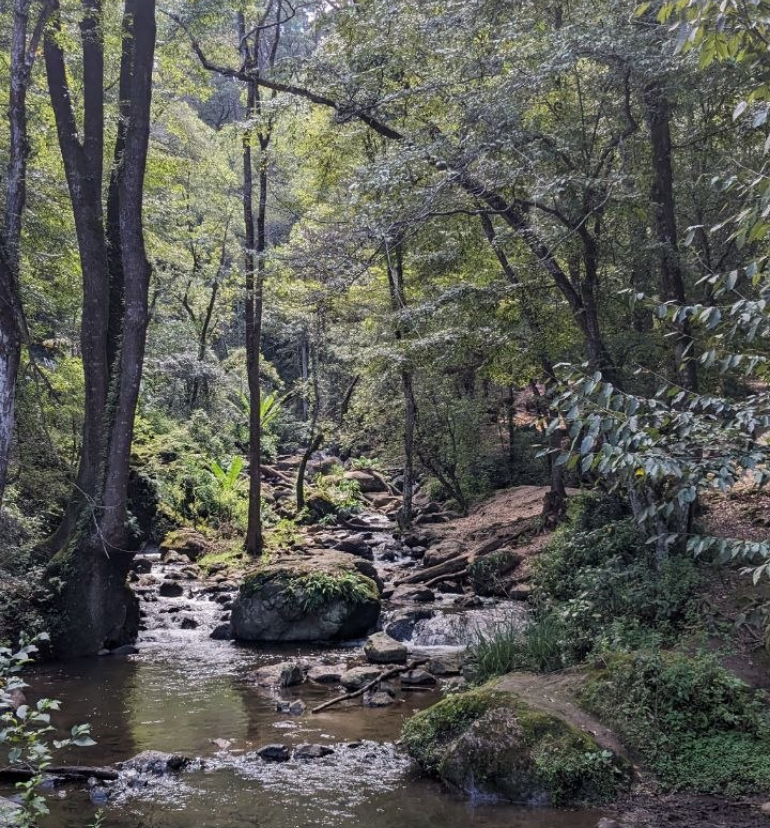
The outdoor culture is serious. Paragliding at a world-class level. Sailing on the lake. Hiking trails that start at your door if you choose the right neighborhood. Mountain biking. Horseback riding through the forest. These aren’t weekend tourist activities; they’re how people here structure their weeks.
And unlike the most famous mountain towns in North America or Europe, Valle is two and a half hours from one of the largest cities in the world. Mexico City is not a compromise you accept to live here; it’s an asset. A major international airport, world-class restaurants and culture, professional infrastructure all within reach when you need it, and easy to leave when you don’t.
That combination of mountain living and metropolitan access is genuinely rare. Most of the best mountain towns to live in require you to give up one to have the other. Valle doesn’t ask you to.
The Climate Most People Don’t Expect
It’s worth being specific about the weather because people’s assumptions about Mexico don’t match the reality of a mountain town at this elevation.
This is not beach Mexico. There is no year-round heat, no humidity that soaks through your clothes, no need for air conditioning in most homes. It’s a mountain climate, which means genuine seasons, cool evenings that call for a fire, and mornings that arrive crisp and clear.
Rainy season brings something I wasn’t prepared for when I moved here and now consider one of the defining pleasures of living in this place. The fog comes in from the mountains in the morning, thick and slow, and fills the forest. If your house opens to the hillside, it moves through into hallways, settling into every room, the whole landscape going intensely green. I open the house completely to it. There’s a quality of stillness in those mornings that I’ve never found anywhere else.
The elevation also creates microclimates within Valle itself. Near the lake it can reach 30°C /86°F on a summer afternoon. Up in the forest neighborhoods it might be 23°C/73°F on the same day. Where you choose to live shapes your experience of the climate significantly.
What Four Years Here Has Actually Taught Me About Where to Live
I’ve spent four years now doing something that most high-performing professionals spend their careers telling themselves they’ll do eventually.
Living well. Not recovering and preparing to work. Actually living with the work as part of it rather than the whole of it.
Valle de Bravo didn’t ask me to give anything up to do that. My work didn’t suffer. My professional relationships didn’t atrophy. My access to the world didn’t diminish. What changed was the quality of everything around the work — the mornings, the evenings, the weeks, the physical condition of my body, the clarity of my thinking, the depth of my social life.
I’ve tried the megacity format. Multiple versions of it, in multiple countries, for years. I know what it offers and I know what it costs.
This is better. Not as a retreat from ambition but as an expression of it. The decision to live somewhere that makes you think more clearly, rest more deeply, and move through your days with more intention is not a lifestyle downgrade. It’s the most serious professional decision I’ve made.
Most executives don’t know this option exists. The information gap around Valle de Bravo is real. I navigated it myself when I moved here, largely without a guide.
That’s why I write about it.
If you’re at the point where this has become a real question rather than a passing thought, I’m happy to have that conversation.
Connectivity is no longer a compromise in the region. Most residential areas in Valle de Bravo are serviced by high-speed fibre optics, and the clear mountain skies make Starlink an incredibly effective secondary backup. Whether you’re managing global teams or handling data-heavy operations, the digital infrastructure here matches the requirements of any modern executive.
Unlike the transient tourist energy of the coast or the retirement-heavy colonial centres, Valle attracts a self-selecting group of high performers. It is a community defined by intentional choice, entrepreneurs, investors, and creatives who prioritise deep focus and outdoor health. You aren’t just moving to a beautiful location; you are entering a network of peers who value the same professional math you do.
You are far enough away to escape the noise, but close enough to stay connected. Mexico City (CDMX) is roughly a 2.5-hour drive, providing access to one of the world’s most connected international airports. For domestic or private travel, Toluca Airport is even closer, typically reachable within 90 minutes, making it easy to balance mountain life with a travel schedule.
The biggest shift for most is moving away from the tropical Mexico stereotype. At this elevation (1,800m–2,600m), the air is thin and crisp. You will trade air conditioning for fireplaces and humidity for forest mist and cool air. It is a seasonal, alpine environment that rewards movement and recovery, offering a temperate climate that actually aids in sustained mental focus throughout the year.