
Most guides to the best places to live in Mexico tell you the same things.
San Miguel de Allende for colonial charm. Mexico City for culture and energy. Tulum for the beach lifestyle. Mérida for safety and affordability. These are all real answers. They’re also incomplete ones, written for a general audience rather than for someone who has specific priorities, a clear sense of what they’re looking for, and the means to go wherever the right answer leads.
I’ve lived in Mexico for four years full time and have traveled through twelve states. I spent six months living in Mexico City before settling in Valle de Bravo. I go back and forth between the two regularly; that movement between the mountain town and the capital is actually part of the culture of living where I do. What follows is the honest version of this list, written from real experience rather than a travel brief.
The best place to live in Mexico is not a universal answer. Someone relocating from Vancouver with two children and a remote business has different needs from a recently retired executive looking for a quiet base with good weather. The honest question is what are you actually optimizing for, and which place delivers that most completely.
With that in mind, here are the good places to live in Mexico that deserve serious consideration in 2026.
Mexico City: A City That Genuinely Has Everything
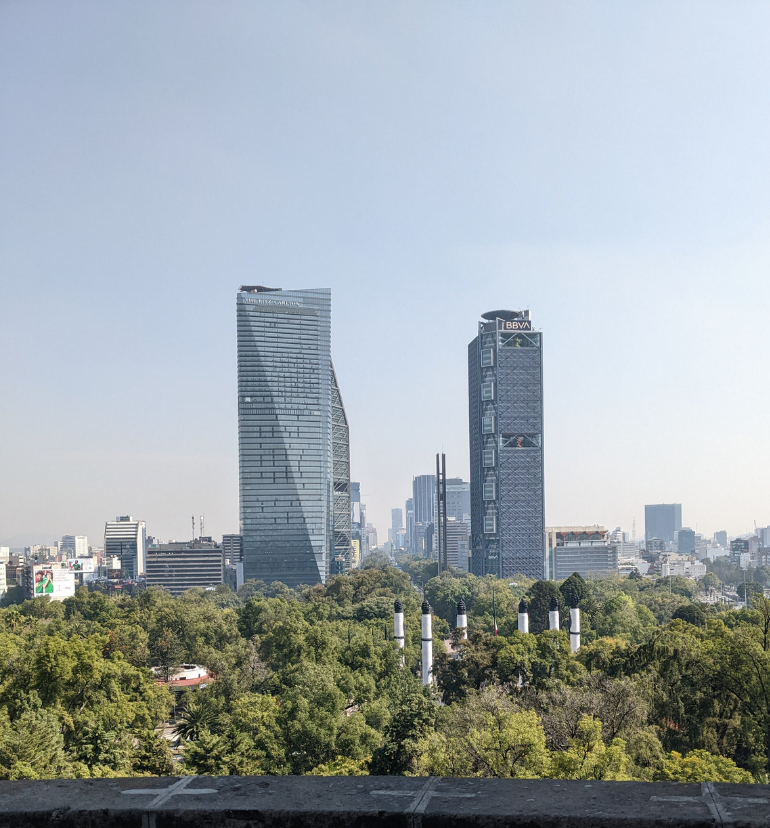
Mexico City is one of the great cities of the world, and one of the best cities to live in Mexico for anyone who wants urban life at its most complete. I lived there for six months and still return regularly. The cultural life, museums, galleries, restaurants, architecture, music, rivals any capital on earth. The food scene is extraordinary. The neighborhoods have distinct characters: Polanco for luxury and international polish, Condesa and Roma for creative energy and excellent restaurants, Lomas de Chapultepec for established residential wealth, San Miguel Chapultepec and Colonia Escandon for a more local, authentic feel that still has everything you need within walking distance.
The people who live in Mexico City full time and love it, and I know quite a few, make a point of leaving regularly. A long weekend in Oaxaca, a week on the coast, a Friday afternoon drive to Valle de Bravo. The city is so complete that it can become all-consuming, and the people who thrive here long-term are the ones who have figured out the rhythm of engaging with it fully and escaping it deliberately.
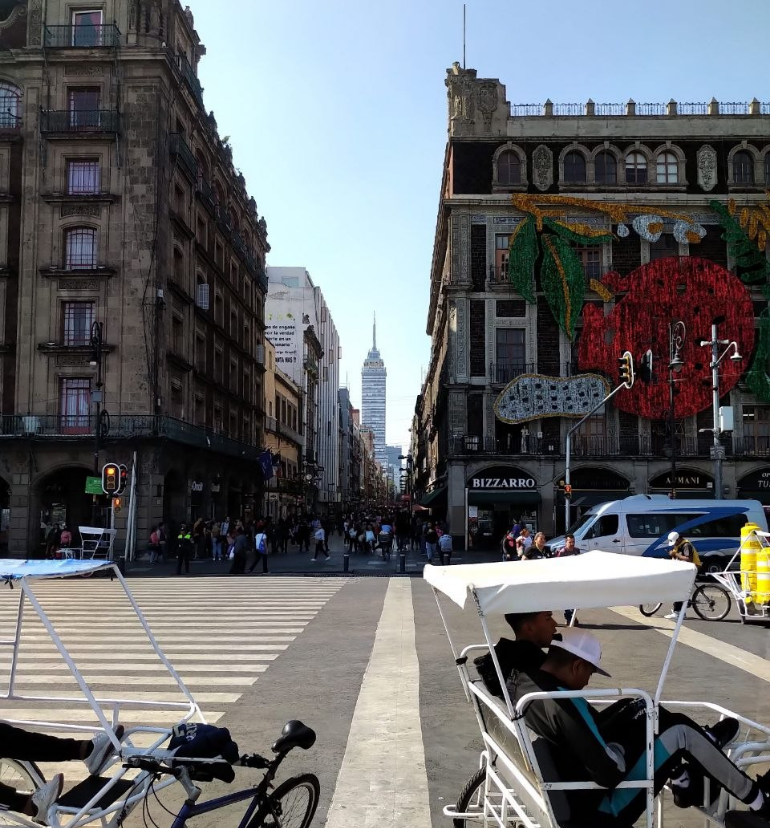
Mexico City has 23 million people. The traffic is among the worst of any metropolitan area in the world. The pollution on certain days is a genuine consideration. It is a city that never sleeps, which is exhilarating when you want it and exhausting when you don’t.
On safety: Mexico City is a megacity and comes with the security dynamics that entails. Neighborhood selection matters enormously. The areas where most expats and executives live are well-maintained and generally safe. Common sense and local knowledge go a long way, as in any city.
One important thing to understand about living in Mexico as a foreigner: most people who make this move are running their own business, working remotely, or have income that isn’t location-dependent. Mexico City is no exception. You can absolutely operate a business here as a foreigner; I have two businesses in Mexico myself, but it requires comfort with operating in a different legal and cultural environment. That’s true across all of Mexico, not just the capital.
Who it’s right for: people who have already built something and want to live in one of the world’s great cities while doing it. People who want maximum cultural density, social energy, and urban life at its most complete. People who understand the trade-offs and embrace them.
Guadalajara: The Most Underrated City in Mexico
I get genuinely excited when I know I’m going to Guadalajara. It’s hard to fully explain until you’ve spent real time there, but I’ll try.
Guadalajara is disorganized in the best possible way. It’s culturally rich, art in different forms on every corner, the food is extraordinary; this is the birthplace of tequila, birria, and torta ahogada, and it has a sensory energy that is completely its own. There’s more graffiti than you might expect, but somehow it adds to the character rather than subtracting from it. The vibe is alive in a way that is different from Mexico City’s intensity. More street-level, more raw, more genuinely Mexican.
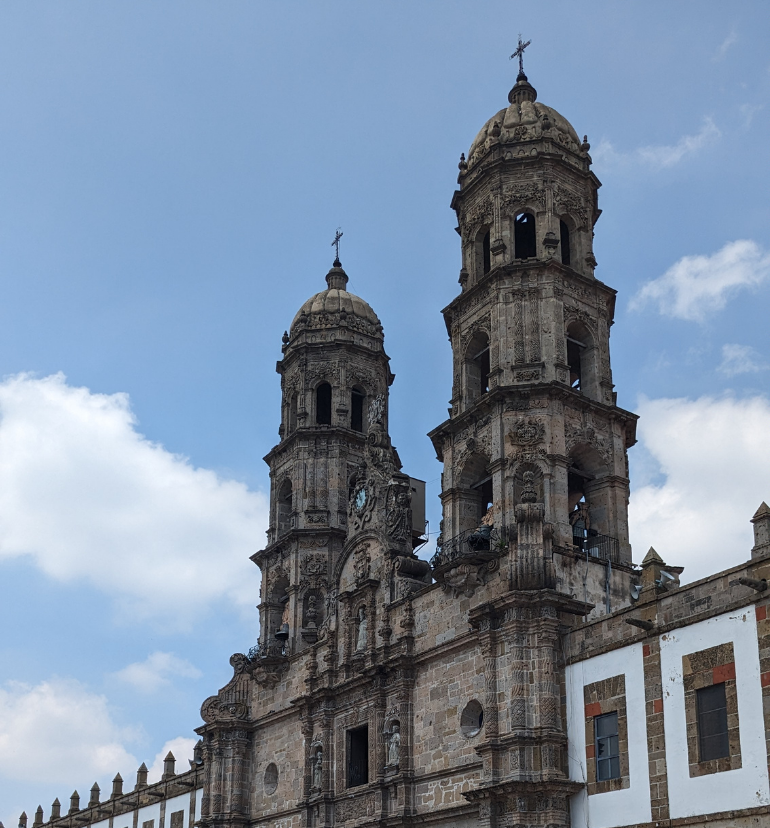
If I had to live in a big city in Mexico full time again, it would be Guadalajara without hesitation. When people ask me about the best cities to live in Mexico for someone who wants the real thing, not a curated expat bubble, this is always the first city I mention.
This is the most authentically Mexican major city in the country. Less internationally shaped than the capital, richer in traditional culture, more genuinely itself. The creative and entrepreneurial communities here are real and growing. The cost of living is lower than Mexico City for a comparable quality of life.
On safety: Guadalajara requires the same neighborhood awareness as any large Mexican city. The areas where expats and professionals concentrate are generally fine. Research your specific neighborhood; the city is not uniform.
One important note: getting around Guadalajara in English will be a challenge. This is not a city that has been optimized for international visitors. You will want to speak Spanish, or be actively learning it. For some people that’s a barrier. For others, the ones who want to go off the beaten path and aren’t afraid to step outside their comfort zone, it’s exactly what makes the city interesting.
Who it’s right for: people who want the genuine Mexico experience in a major city. Those who are comfortable with some disorder, curious about local culture, and willing to engage with the place in Spanish. If you want a city that surprises you, challenges you, and rewards you for paying attention, Guadalajara is the answer.
Guanajuato City: A City You Can Get Lost in, in the Best Possible Way
Guanajuato stopped me in my tracks the first time I drove into it.
The city is built into a narrow valley with no grid. Streets wind uphill in every direction. Houses stack on top of each other in cascades of color. And then there are the tunnels, underground roads cut through the hillside that the city runs on. I was driving into the city and suddenly the road ahead looked like it was about to end at a solid wall, and then I dipped into a tunnel that went deep and dark and long. That moment captures what Guanajuato is: a city that constantly surprises you, that hides things until you’re right in front of them, that rewards exploration in a way that cities built on a grid never can. I like to explain to people that Guanajuato city is like a group of young kids got together to design the plans for the city, then asked the adults to build it for them; it just has this energy.
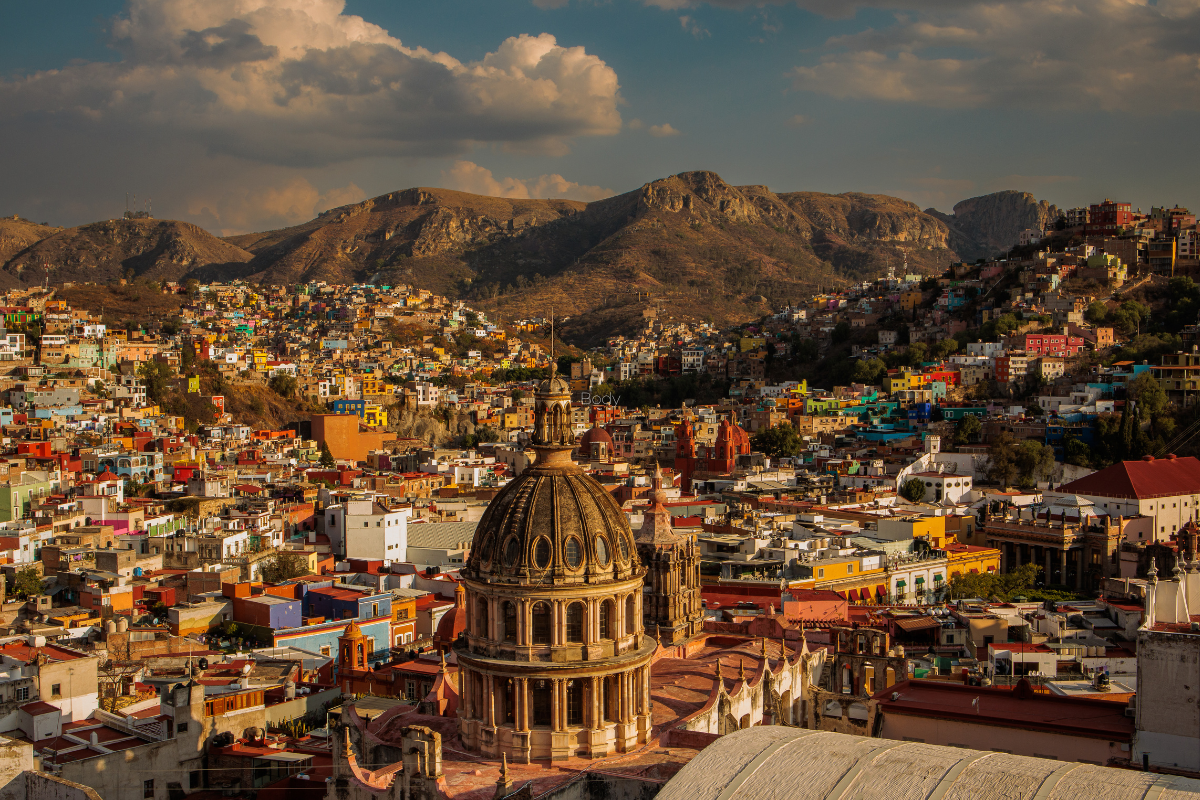
I’d have to say it’s up there as one of the most beautiful cities in Mexico. UNESCO-listed for good reason. The Teatro Juarez, the Alhondiga de Granaditas, the Callejon del Beso; the architecture and history here are extraordinary. And the University of Guanajuato gives the city an energy that larger cities often lose: young, curious, intellectually alive, full of things happening.
Guanajuato is genuinely underrated internationally because it doesn’t fit the standard categories that drive most relocation searches. No beach. Not a major business center. But the quality of daily life here, walkable, beautiful, culturally rich, lively, is something that takes your breath away when you experience it.
Who it’s right for: remote workers, creatives, and anyone who values beauty, culture, and a walkable city at a human scale. People who want to discover a place rather than be handed it. Not the right fit for someone who needs major urban infrastructure day to day.
Campeche: One of the Safest and Most Underrated Cities in Mexico
Most people reading this have never seriously considered Campeche. That is entirely understandable and, if you’re open to it, worth changing.
The City of Campeche on the Gulf Coast consistently ranks among the safest cities in Mexico by crime statistics. If you are searching for the best place to live in Mexico with genuine colonial character and a lifestyle that hasn’t been overrun by international tourism, Campeche belongs at the top of your list. It is a UNESCO World Heritage Site, one of the best-preserved colonial cities in the Americas, surrounded by its original fortified walls, painted in colors that make the centro historico feel like stepping back into the era when pirates once threatened this coast. The atmosphere when you walk into restaurants and shops is stunning. It genuinely feels like time moved differently here.
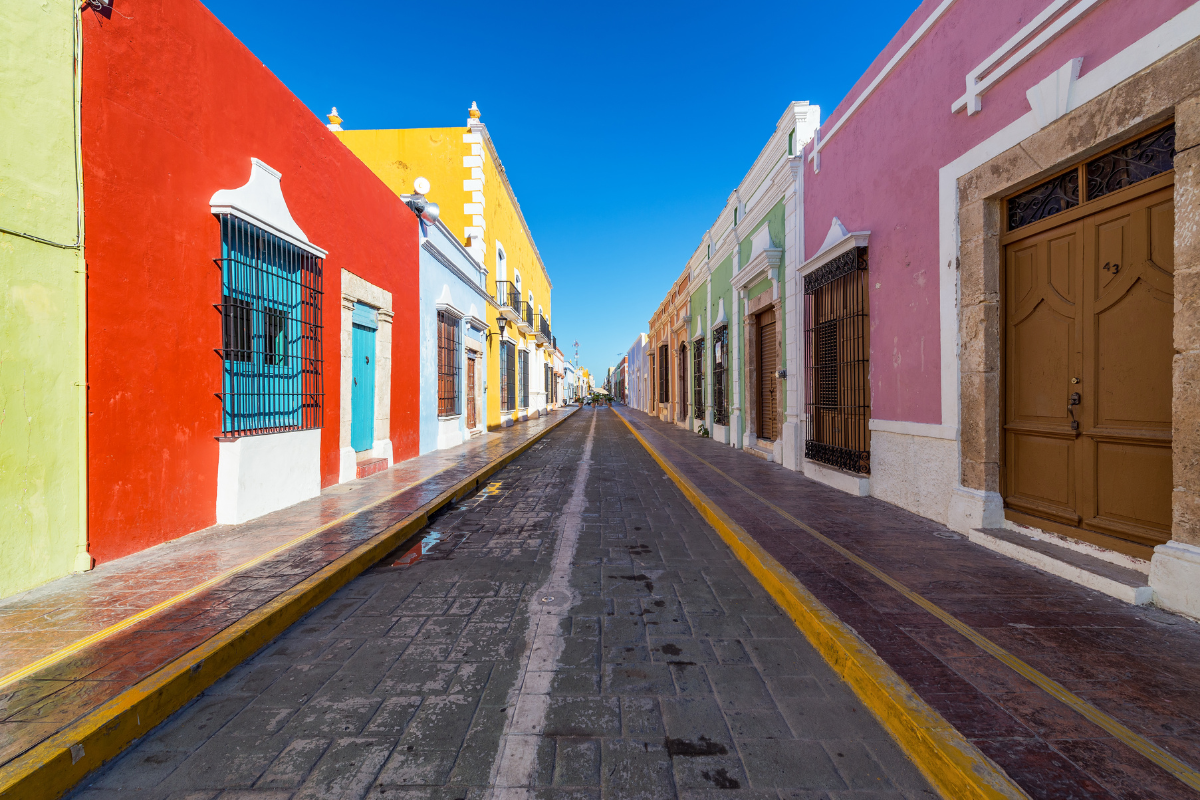
The cost of real estate in Campeche is remarkably accessible. A fixer-upper in the centro historico can be found for under $100,000 USD, the kind of property that, with investment and vision, becomes a stunning colonial home with architecture that would be extraordinary anywhere in the world. For a buyer with taste and patience, Campeche offers one of the most interesting renovation opportunities in Mexico.
The Maya Train now connects Campeche to the Yucatan Peninsula, making Merida and its international airport significantly more accessible. For a city that once felt genuinely remote, that connection matters.
Family values are tight here. The community is close-knit in a way that larger cities aren’t. The pace is genuinely slow, not performed for visitors, just the natural rhythm of a place that hasn’t been overrun. For families and for people in or approaching retirement, that combination of safety, beauty, affordability, and community character is hard to beat.
You will want Spanish in Campeche. This is not a city that caters to English speakers, and that’s part of what makes it real.
Who it’s right for: families who want safety, beauty, and tight community. Retirees looking for affordability and authenticity. Remote workers who want to live somewhere genuinely extraordinary without the crowds or costs of more famous colonial cities.
Zihuatanejo: Where the Local People Taught Me Something About the Ocean
I’ve been to Zihuatanejo and what stayed with me most wasn’t the bay, as beautiful as it is. It was the conversations I had with local people about the ocean.
Several people told me, in different ways, the same thing: the ocean gives so much to us, and we need to give back to it. That philosophy isn’t a slogan here; it’s visible in how the place is maintained. The beaches are among the cleanest I’ve been to anywhere in Mexico. The marine life is genuinely respected. The local community takes real pride in what they have and it shows in every interaction you have in this town.
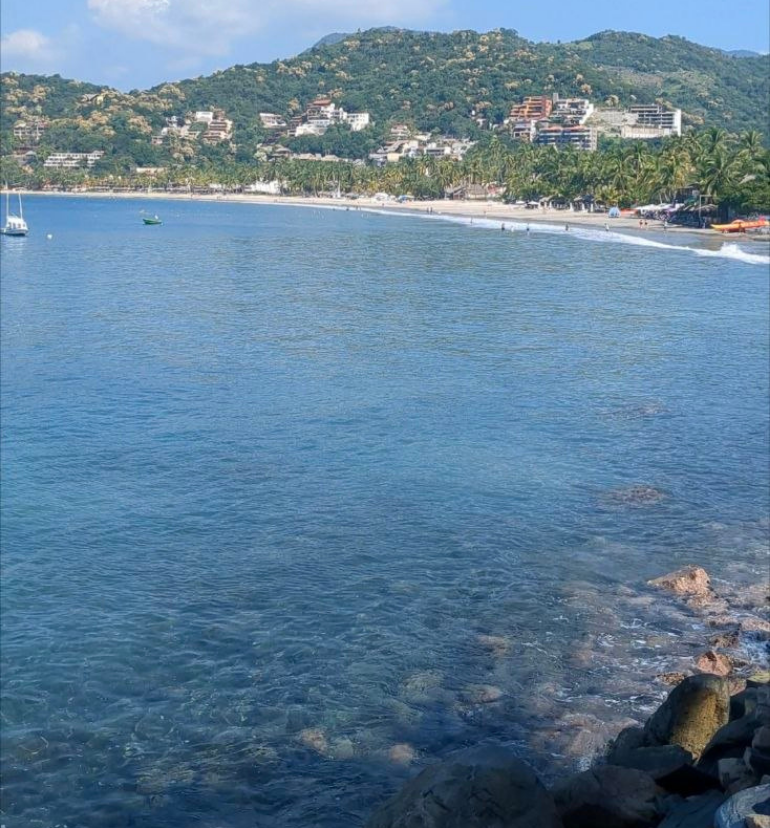
Zihuatanejo has not been packaged and sold to mass tourism the way Cancun or Los Cabos has. The bay is calm and dramatic, the hills come down to the water, and the original character of a Pacific fishing town is still present in a way that is becoming rare on Mexico’s coastlines. The local people are incredibly friendly. Being there genuinely makes you smile; it’s something about the combination of the ocean, the warmth of the community, and the unpretentious beauty of the place.
The community tends toward a more mature profile: retired expats, people who have found their pace and want to keep it, those who have traded ambition for presence. Spanish is useful here but less essential than in some other cities on this list, though as always, learning the local language is something I encourage anyone living in Mexico to do.
The access picture is also changing. The Toluca-Zihuatanejo highway, currently under construction and projected for completion in December 2029, will dramatically reduce travel time from central Mexico to this coastline. It introduces a rare lifestyle triangle, connecting the Pacific coast, mountain forest, and a major city within easy reach.
Who it’s right for: people who want genuine Pacific coast living without the resort compromise. Retirees and remote workers who value the ocean, authenticity, and a community that has its priorities in the right place.
Valle de Bravo: For People Who Have Figured Out What They Actually Want
I live in Valle de Bravo. I moved here four years ago after years in some of the most populated cities in the world. I still go to the capital regularly; that movement between the mountain town and the city is part of the culture of living here. Valle is home. Mexico City is there when I need it, two and a half hours away.
That combination, mountain nature as your daily environment with a world-class city within reach when you want it, is the clearest way to describe what makes Valle different from everything else on this list.
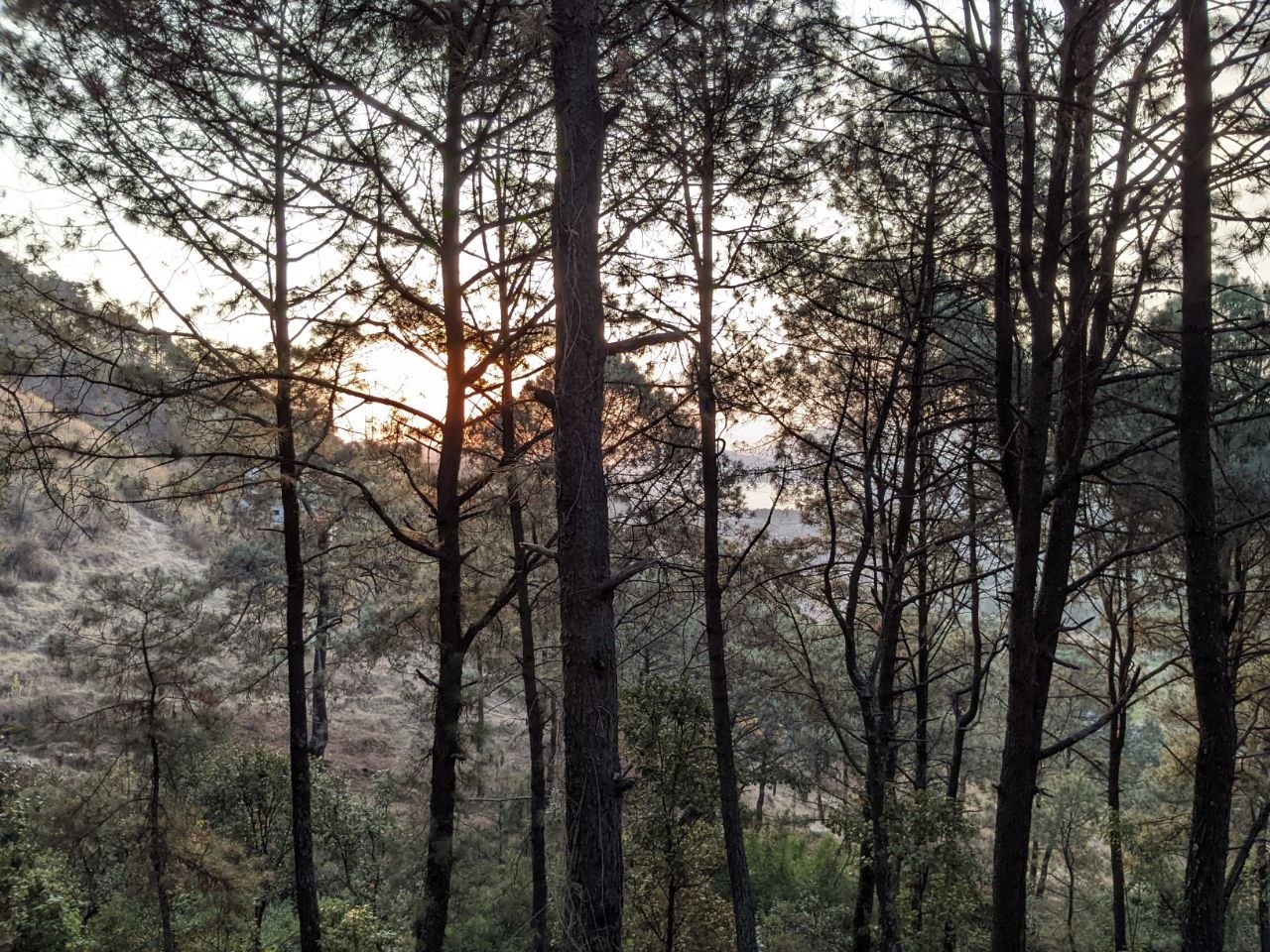
Valle de Bravo is a mountain and lake town at nearly 2,000 meters above sea level, surrounded by pine forest, two and a half hours west of Mexico City. It has been a weekend destination for the capital’s professional class for decades. In recent years it has become something more: a permanent base for executives, entrepreneurs, and international families who decided that the environment they live in every day deserves the same level of intention as everything else they’ve built.
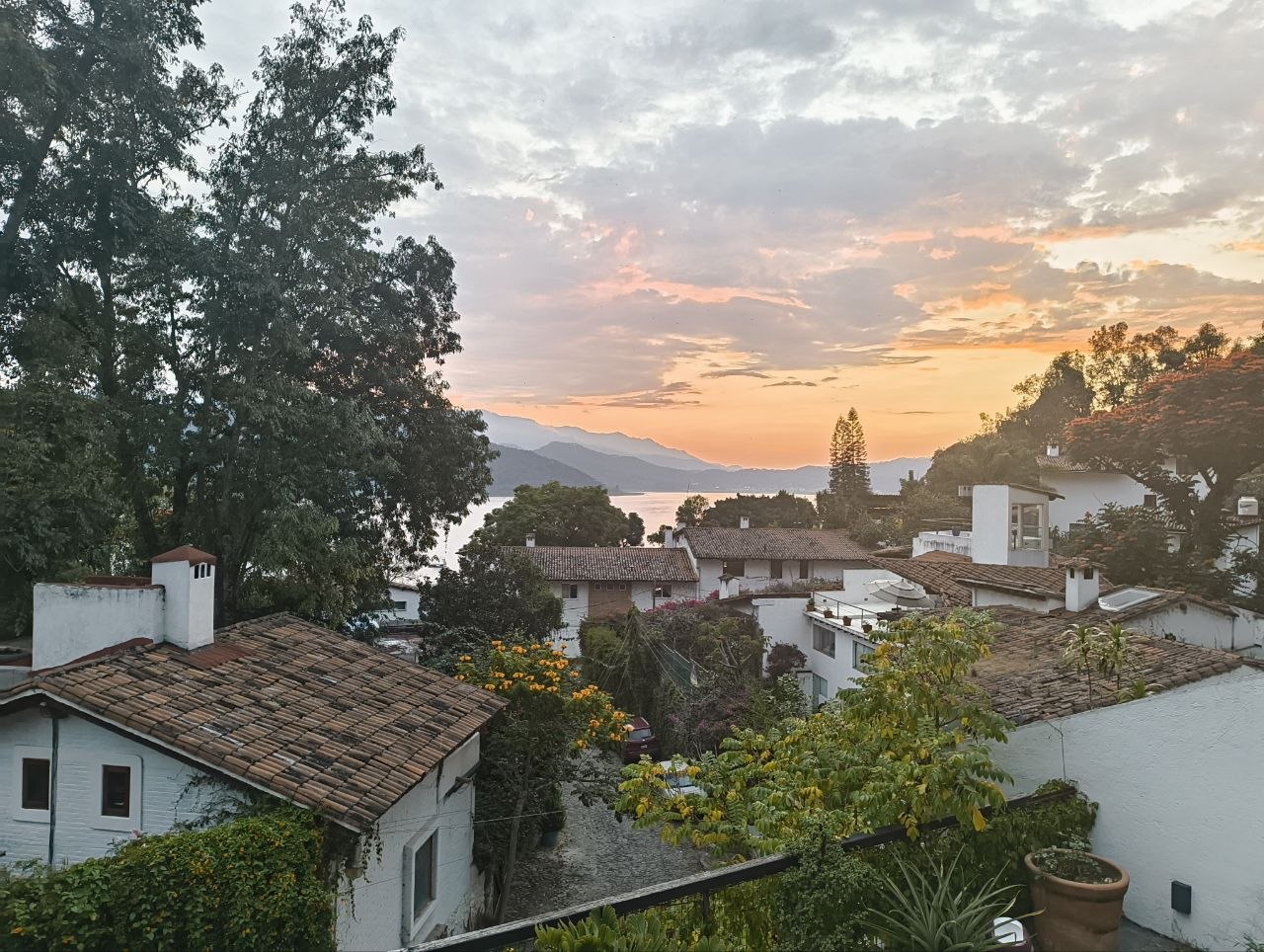
The quality of daily life here is genuinely exceptional. Mornings start with hiking trails outside the door. Work happens in real quiet, no traffic noise, no urban density, the kind of focused silence that cities work against. Evenings end watching the sunset over the mountains from the deck. The social life happens around long dinners with people who chose this deliberately and have interesting things to say because of it.
The community is self-selecting in the best possible way. The people who live here full time could be anywhere. They chose Valle. That choice produces a quality of conversation and connection I haven’t found replicated elsewhere.
On safety: Valle is meaningfully safer than Mexico City for day-to-day life. The community is tight and looks after each other, and the town’s profile brings a level of attention and stability that smaller places don’t have.
The real estate market is extraordinary in its variety: lakefront homes, deep forest estates designed by serious architects, hillside properties with panoramic views over the colonial town and the lake. For families, BRAVO! an Acton Academy campus on 17 hectares of private forest with a 100% English curriculum, is one of the most genuinely interesting schools in Mexico. The Toluca-Zihuatanejo highway completing in 2029 will add Pacific coast access to the city-and-mountains equation, a catalyst the current market hasn’t fully priced in. It has become the premier base for remote executives who are deliberately choosing Valle over the city, so their best work happens in quiet rather than noise.
For anyone asking where the best place to live in Mexico is, balancing nature, access to a major city, a high-performing community, and long-term property fundamentals, Valle de Bravo is the answer I keep coming back to.
Who Valle de Bravo is right for: people who have tried the city format, in Mexico or elsewhere, and want something different without losing access. Remote executives whose best work happens in quiet rather than noise. Families who want their children to grow up with nature, freedom, and a real community. Buyers looking for a second home or permanent base with genuine lifestyle value and strong long-term property fundamentals. People who have figured out what they actually want and are ready to build toward it deliberately.
If that description fits, Valle deserves a serious look. Not a weekend visit; a real stay, long enough to understand what Tuesday feels like, not just Saturday.
The Best Places to Live in Mexico Come Down to This
Mexico is varied enough to offer a genuinely different answer to almost every version of this question. When people talk about the best places to live in Mexico, what they’re really trying to understand is where their lifestyle fits and that answer depends entirely on who you are and what you value day to day.
Mexico City for the person who wants everything a world-class city offers and has made peace with what that costs. Guadalajara for the one who wants the real Mexico, raw, culturally rich, surprising, and isn’t afraid to go off the beaten path. Guanajuato for beauty, history, and a city that rewards getting lost in it. Campeche for safety, authenticity, and one of the best lifestyle-to-cost ratios in the country. Zihuatanejo for Pacific coast living with a community that actually gives something back.
And Valle de Bravo for the person who has moved past the question of what a place offers and arrived at the more important one: what kind of life do I actually want to be living?
That question has a clear answer here. It just takes spending real time in Mexico to see it fully.
Start with your daily rhythm, not the destination. Think about where you do your best work, how much energy you want around you, and how often you need access to a major city. The right place usually becomes obvious once those pieces are clear.
It depends on how you like to spend your time. Large cities offer access, variety, and pace, while smaller towns offer space, quiet, and a more defined community. Most people end up preferring one strongly once they’ve experienced both.
You can get by without it in certain areas, but your experience will be limited. Speaking Spanish changes how you move through daily life and the kinds of relationships you’re able to build. It’s one of the highest return investments you can make after arriving.