
It’s always the first question.
Before the architecture, before the lifestyle, before anything else: is Valle de Bravo safe?
It’s a fair question. Mexico carries a reputation internationally that doesn’t always reflect the reality on the ground in specific places. And for someone seriously considering living here or investing here, a vague reassurance isn’t useful. You’ve done business in complex markets before. You know the difference between someone telling you what you want to hear and someone giving you an honest picture.
So here’s my honest picture. I’ve lived in Valle de Bravo, Mexico full time for four years, coming from Ho Chi Minh City before this. I’m not going to tell you Valle is without complexity. But I am going to tell you what daily life here actually looks and feels like, including the parts that made local headlines in 2025.
Is Valle de Bravo Safe Day to Day? What Four Years Actually Feels Like
The short answer is that daily life in Valle de Bravo feels genuinely safe.
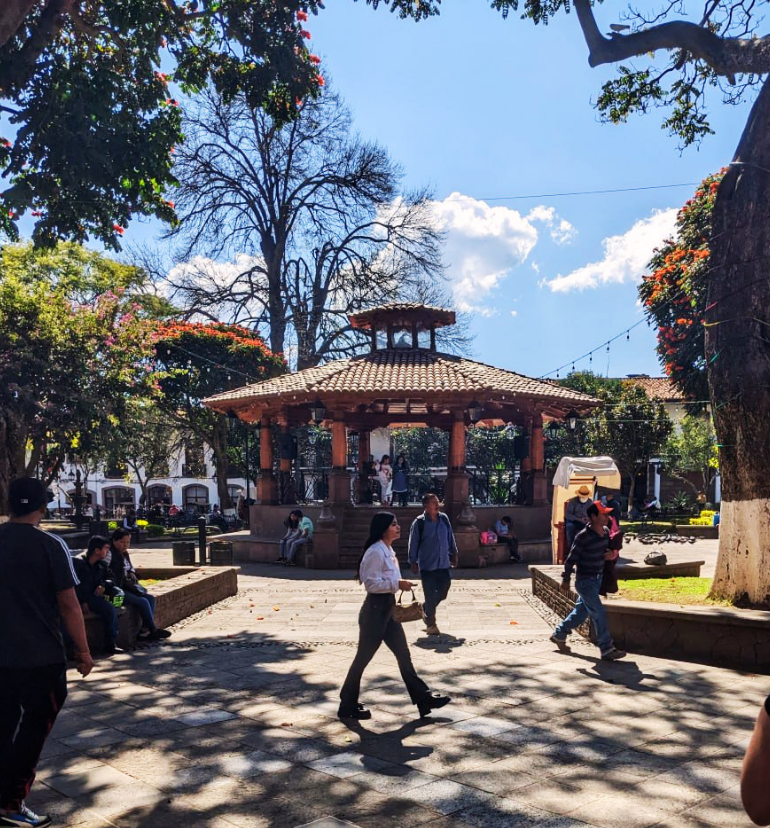
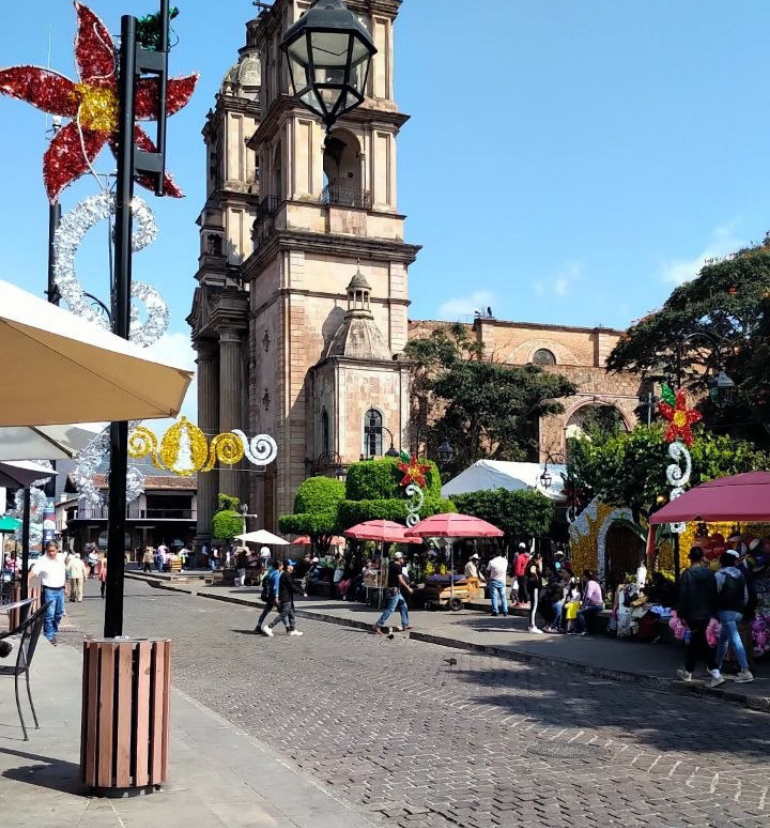
During the day, the town is relaxed and open. You walk the cobblestone streets, you go to the market, you drive up into the forest neighbourhoods without a second thought. There is no atmosphere of tension or vigilance that you carry with you the way you might in parts of a major city.
At night, the same common sense applies here that applies anywhere in the world. You don’t leave valuables visible in a parked car. You’re aware of your surroundings. If you’ve spent time in any international city, these habits are already part of how you move through the world.
The one thing I’d genuinely flag for anyone arriving here is drinking and driving. On weekend nights when the town fills up with visitors from Mexico City, the roads can be unpredictable. It’s not a crime issue but a social one. Worth knowing.
Beyond that, in four years, the concerns I’ve encountered have been minor and non-confrontational. Petty theft exists, as it does everywhere. Targeted violence against residents, particularly the international and executive community, is not part of life here.
Why Valle Feels Different From Mexico City
There are structural reasons why Valle de Bravo operates differently from a security standpoint, and they’re worth understanding.
Most residential areas have some sort of security, whether it’s private security, cameras or electric wires. The gated communities and forest neighbourhoods that house the majority of long-term residents, both Mexican and international, operate with guards at the entrance as a baseline, not a luxury. It’s simply how things are set up here.
The community is also unusually tight-knit for a town of this size. People look out for each other in a way that’s genuine rather than performative. When something happens, anything unusual, the word moves through the community quickly. That informal network is a real layer of security that doesn’t show up in any formal safety index.
Valle is also a Pueblo Mágico, a federal designation that brings with it a level of government attention and resource allocation that smaller, less prominent towns don’t receive. Federal policing and the National Guard presence are part of the infrastructure here in a way that reflects the economic and cultural significance of the town.
And practically speaking, the profile of people who live and invest here, executives, entrepreneurs, high-net-worth families, means there is an active interest from multiple levels of government in maintaining stability. That interest is not abstract.
What Happened in 2025 and What It Actually Meant for Residents
I want to address this directly, because if you’ve done any research on whether Valle de Bravo is safe you may have come across local news coverage from 2025 that raised questions.
Here is what happened, plainly.
For a period of time, organised crime had established significant control over the construction materials market in the region. Cement, rebar, wire, the basic inputs of any building project, were being sold at markups of up to 144% above what the same materials cost in Mexico City or Toluca. Hardware stores and suppliers were effectively coerced into buying from approved sources. A kilo of rebar that cost 18 pesos in Toluca was being sold locally for 45 pesos.
For anyone building or maintaining property here, this was a real and frustrating economic burden. It wasn’t a secret among residents. The inflated costs were something people talked about and absorbed without fully understanding the mechanism behind them.
In early 2025, the government decided to act. Two significant operations followed. In March, an operation resulted in the seizure of 21 luxury properties in the region used by organised crime leadership. In July, a much larger operation deployed nearly 3,000 federal personnel across 14 municipalities to dismantle the extortion network controlling building materials and basic goods.
For residents, there were a few days where the advice was simply to stay home. So I did. The town was quiet. There was no sense of personal threat, no feeling that ordinary residents were in any danger. Life returned to normal quickly, and when it did, it returned to a normal that was measurably better than before, with the artificial inflation of construction costs beginning to slowly unwind.
By early 2026, the government had reported a significant reduction in organised crime’s open control over local businesses. A sustained military and National Guard presence remains in the region, which from a resident’s perspective reads as additional stability rather than cause for concern.
Important Distinction That Most Coverage Misses
When international news covers security situations in Mexico, the framing is rarely nuanced. The reality on the ground almost always is.
The activity that made headlines in Valle de Bravo, Mexico in 2025 was economic in nature. It was about control of supply chains and construction markets, not about targeting residents, tourists, or the international community. The people involved in those operations were not ordinary residents. The people affected by the government’s response were not ordinary residents.
If you are not involved in organised crime, you are not a target. That sounds obvious, but it’s the single most important thing to understand about security in Valle de Bravo, or frankly, in most parts of Mexico that carry reputational risk without equivalent on-the-ground risk.
The executives, entrepreneurs, and international families who live here full-time did not leave during this period. They stayed home for a few days, watched what unfolded, and went back to their lives. Most of them would tell you, and I would tell you, that the government’s intervention was welcome. The construction cost inflation had been a real burden, and its dismantling was a positive development for anyone building or investing in property here.
How Valle de Bravo Compares to Other Places You’ve Probably Lived
Most people who ask me whether Valle is safe are coming from a reference point of either a major international city or somewhere in Mexico that has a more complicated reputation.
Compared to Mexico City, Valle feels meaningfully calmer. The density, the anonymity, and the pressures of a megalopolis create a different risk environment than a mountain town of this size where people know each other and community is a real thing rather than a concept.
Compared to the cities I lived in across Southeast Asia, Valle is, day to day, less demanding from a personal security standpoint. The kind of awareness you carry in a dense Asian megacity is not what you need here.
Compared to places like Cabo, Cancún, or the major beach destinations that attract international attention, Valle operates in a different register entirely. The tourism here is predominantly domestic and high-end. The international profile is quiet and deliberate. That combination produces a different environment than resort towns with high-volume foreign visitor traffic.
What Due Diligence Actually Looks Like Here
For anyone considering Valle at the level of a real investment or a genuine relocation, here is what I’d focus on from a risk perspective.
Understand the neighbourhood you’re looking at. Valle is not monolithic. The residential forest areas, the gated communities, the town centre, and the more rural outskirts have different characters. Spending time in the specific area you’re considering, not just the town in general, is time well spent.
Work with people who are actually embedded in the community. The real estate and construction landscape here has gone through significant change in the last six years. Who you work with matters more than it might in a more transparent, well-documented market. Local knowledge and real relationships are not optional extras; they’re the difference between a smooth process and an expensive education.
Talk to people who live here. Not just visitors, not just weekend residents; people who are here Monday through Thursday, who have navigated the practicalities of building, maintaining, and living in Valle over multiple years. Their perspective on security, on the market, on the community, is more useful than anything you’ll read online.
Including, for what it’s worth, this.
My Honest Take
Is Valle de Bravo safe?
Yes — with the same honest qualification I’d attach to anywhere worth living.
Daily life here is relaxed, open, and genuinely low-stress from a personal security standpoint. The community is tight. Private security is standard in residential areas. The government’s intervention addressed a real economic problem and left the town in a more stable position than before.
There are complexities in Mexico that are real and shouldn’t be dismissed. But complexity is not the same as danger, and reputation is not the same as reality. The people who live here, who chose to be here, who could be anywhere, have made a considered decision that Valle de Bravo is not only safe enough, but genuinely one of the better places they’ve lived.
Four years in, that’s my assessment too.
Yes. For expats living in Mexico, Valle de Bravo consistently offers a calmer, more community-oriented environment than major cities. Private security is standard across most residential areas, the town’s Pueblo Magico status brings sustained federal attention, and the tight-knit community creates an informal but effective layer of mutual awareness. In four years of living here full-time, petty theft is the most significant concern I can point to.
For most residents, the impact was minimal. There were a few days when staying home was the sensible choice, after which life returned to normal quickly. The operations targeted an organised crime network that had inflated construction material prices, not the residential or international community. If anything, the government’s intervention left Valle in a more stable position than before, with artificially inflated building costs beginning to unwind.
Valle de Bravo, Mexico, feels meaningfully safer for day-to-day life than Mexico City. The scale and anonymity of a 23-million-person megalopolis create a fundamentally different risk environment from a mountain town where people genuinely know each other. The community here operates with a level of mutual awareness and neighbourly connection that simply doesn’t exist in a major city, and that makes a practical difference to how secure daily life feels.