
One of the first questions people ask when they’re seriously considering a move to Mexico is whether they should live in a gated community.
It’s an understandable question. If you’ve never lived in a foreign country before, especially one that carries the kind of international reputation Mexico does, the idea of a controlled perimeter, a security guard at the entrance, and a controlled access system feels like a sensible starting point. A layer of certainty in an unfamiliar environment.
I’ve lived in Mexico for four years full-time. I’ve lived in the open countryside here, and I currently live in a gated community in Valle de Bravo. My honest answer to whether you need one is that it’s more comfortable than essential, and the question is less about safety than most people assume going in.
Let me tell you what gated communities in Mexico actually look like, what they deliver in practice in Valle de Bravo specifically, and how to think about whether one is right for your situation.
What Gated Communities in Mexico Actually Look Like
The term gated community covers a wide range in Mexico. At the basic end you have a guard at the entrance and a simple perimeter fence. At the higher end you have well-maintained private roads, shared amenities, CCTV, professional management, and a level of infrastructure that rivals anything in a major city.
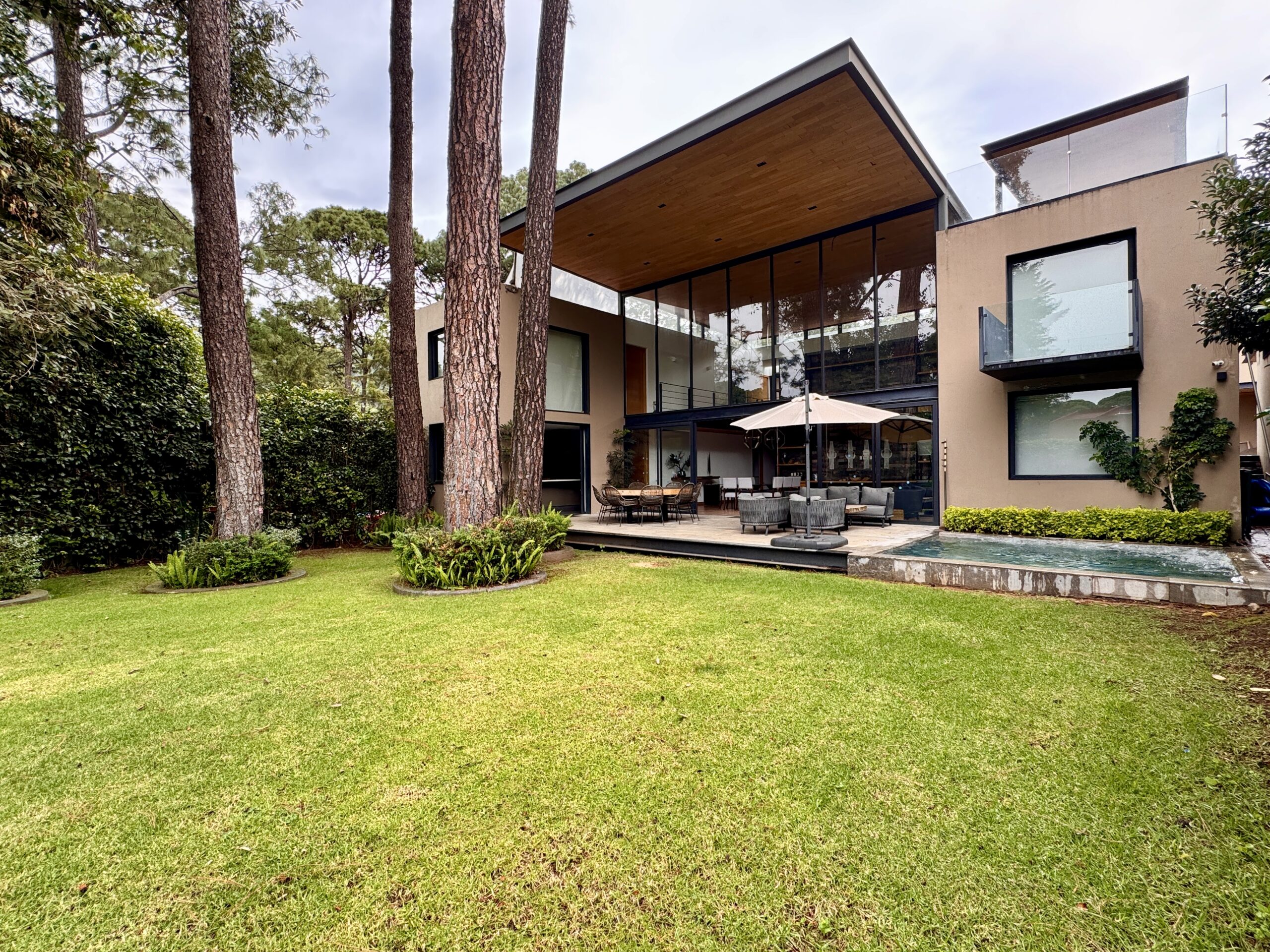
In Valle de Bravo specifically, gated communities exist across virtually every neighborhood: Avandaro, San Mateo Acatitlan, Cerro Gordo, the forest areas, the hillside above the town center. A buyer isn’t choosing between gated and a specific location. They’re choosing between different communities within the neighborhood they’ve already decided they want.
The standard features you’ll find across most established gated communities in Valle include 24/7 security guards at the entrance, perimeter walls or fencing, private roads maintained by the community, and shared amenities that vary by community, such as pools, tennis courts, and green spaces. Security infrastructure varies significantly from one community to the next; some have full CCTV coverage across common areas, others have a guard at the entrance and nothing more. Never assume. Ask specifically what security measures are in place for any gated community in Mexico you’re seriously considering.
These are funded through a monthly maintenance fee called a cuota. Always ask for the full breakdown before committing to a property. It is a real, ongoing cost that covers security, road maintenance, shared facilities, and, in many cases, garden upkeep for individual plots. What it includes varies significantly between communities.
The Weekly Rhythm That Changes How Valle de Bravo Feels
There is a specific dynamic in Valle de Bravo that shapes daily life more than most people expect.
The town runs on a weekly rhythm. During the week, it’s quiet and local. On weekends, it fills with visitors from Mexico City. That rhythm extends directly into the gated communities.
In my community, and in most others here, full-time residents are the minority. The majority of homeowners are weekend users. Many rent their properties when they’re not in town. The result is that from Monday to Friday, you often have the place almost entirely to yourself. The roads are quiet. Shared spaces are empty. It feels closer to a private estate than a populated community.
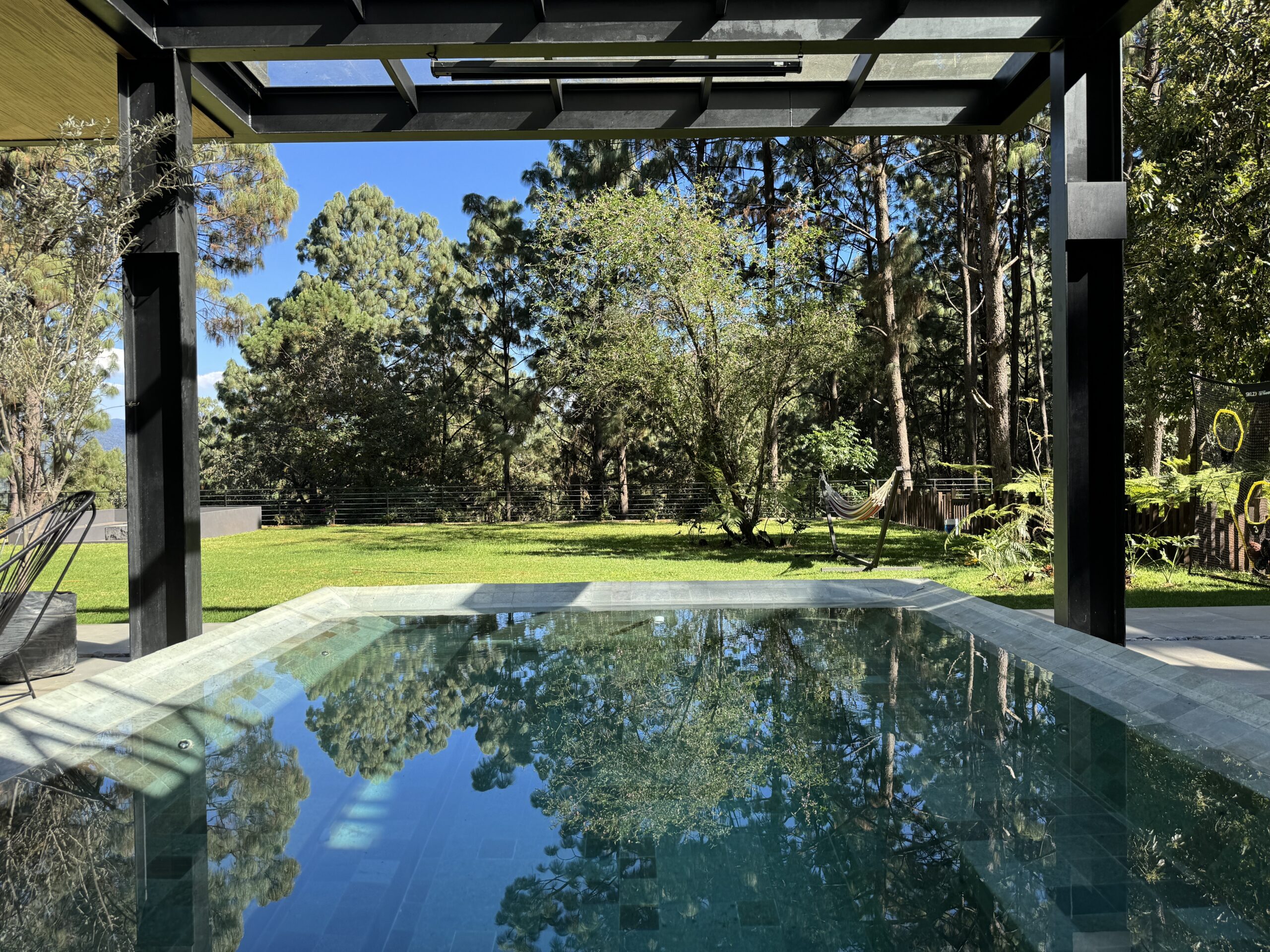
That’s worth understanding before forming expectations. The “community” aspect exists, but it’s concentrated on weekends. During the week, if you live here full-time, you’re largely on your own. For most people who choose Valle, that’s exactly the point.
There’s also a practical side to this. If you plan to rent your property when you’re not using it, demand is consistent. Weekend visitors from Mexico City actively look for well-located homes in established communities. For second-home buyers, that income potential is a real part of the equation.
What Living in One Actually Feels Like: From Someone Who Has Done Both
I’ve lived in the open countryside in Valle, and I currently live in a gated community. Having experienced both, I can share the honest difference and my preference.
The countryside gave me something a gated community doesn’t: a genuine connection to the local Mexican culture. In smaller non-gated areas outside of Valle, people look out for each other in a way that feels organic and deeply local. You build real relationships with neighbors. You get to know the families around you. You experience the culture of this place from the inside rather than from behind a managed perimeter. That directness, the forest right there, the same road everyone uses, no buffer between you and the environment, is something I genuinely valued.
I personally prefer the countryside over a gated community. But I’m not complaining about where I am now either. There are real conveniences to living in a gated community in Mexico that I appreciate.
The single biggest benefit for me is that when I’m travelling or away from the property, I don’t need to think about the house. Someone is taking care of it. The security is running. The yard is maintained. The mental freedom of not having to arrange or worry about anything while you’re away is the most compelling reason I’d recommend a gated community to certain buyers. Everything else is secondary to that.
If I moved back to a private countryside property tomorrow, I’d arrange local support independently, which is entirely doable in Valle; the network is there, and I’d regain that direct connection to the local culture and environment that I value. The trade-off is real but manageable. It depends entirely on what matters most to you at this stage of your life.
The Quality Range Is Real: And It Matters
Not all gated communities in Mexico are equal. The gap between the best and the most basic is significant in infrastructure, management quality, and the daily experience of living there.
A community developed twenty years ago that hasn’t been properly maintained looks and feels very different from a newer development with professional management and shared facilities that function properly. When evaluating a property inside a gated community in Valle, spend as much time assessing the community itself as the house.
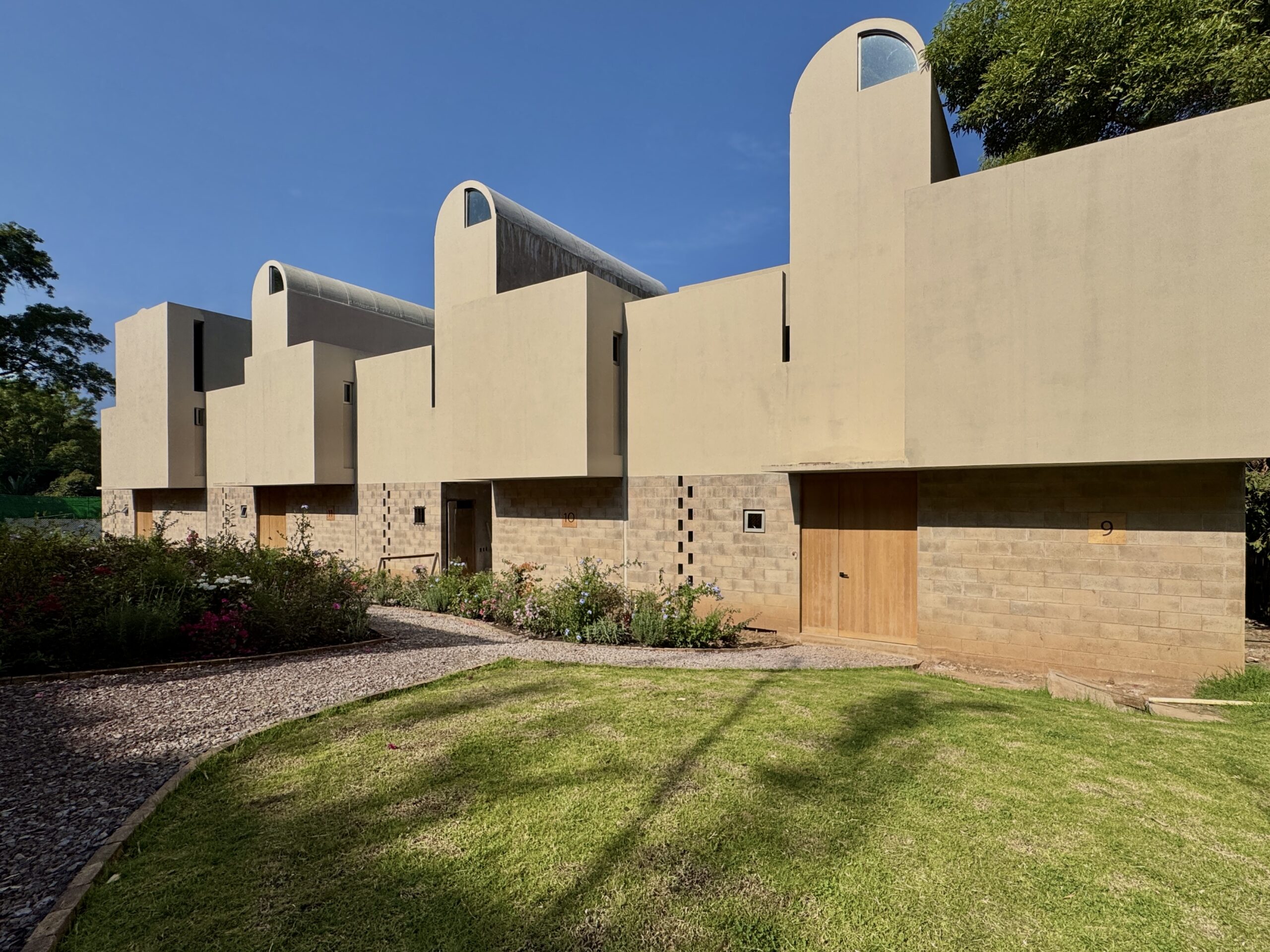
Walk the roads. Look at the state of shared spaces. Ask about the management structure and how the cuota is administered. Find out whether maintenance has kept pace with the fees collected. Talk to existing residents if possible. The community you’re buying into is as much a part of your daily experience as the property itself.
The Honest Trade-Offs
Gated community living comes with trade-offs that most guides don’t mention.
The first is a subtle separation from the local environment. The gate defines a boundary around your daily life. Some buyers find that comforting, particularly while settling into a new country. Others, over time, feel slightly removed from the texture of the place they moved to. In Valle specifically, where the countryside and the forest are such a central part of why people come, that buffer is worth thinking about.
The second is community governance. Cuota decisions, maintenance priorities, and rules governing property use are real dynamics in any managed community. A well-run community handles them smoothly. A poorly managed one makes them a source of friction. Research the governance before you buy, not after.
The third is that in a gated community, your comings and goings are part of a managed system. The guard allows only residents to pass unless the guest is with that resident. It’s not surveillance; it’s just the nature of a contained and monitored environment. For most people, it’s a non-issue. For someone who places a very high value on complete independence, private property may suit them better.
Gated Community vs Private Property: How to Think About It
In Valle de Bravo you have a genuine choice. You can buy within a gated community in Mexico or you can buy an individual property, a forest home, a countryside estate, a hillside house, with its own perimeter and complete autonomy.
The individual property route, particularly in the deeper forest areas, gives you no cuota, no community governance, and no shared decisions. Your maintenance and security are arranged on your own terms. The local support network in Valle is strong, and finding reliable people to maintain a private property is not the challenge it might be in a more remote area.
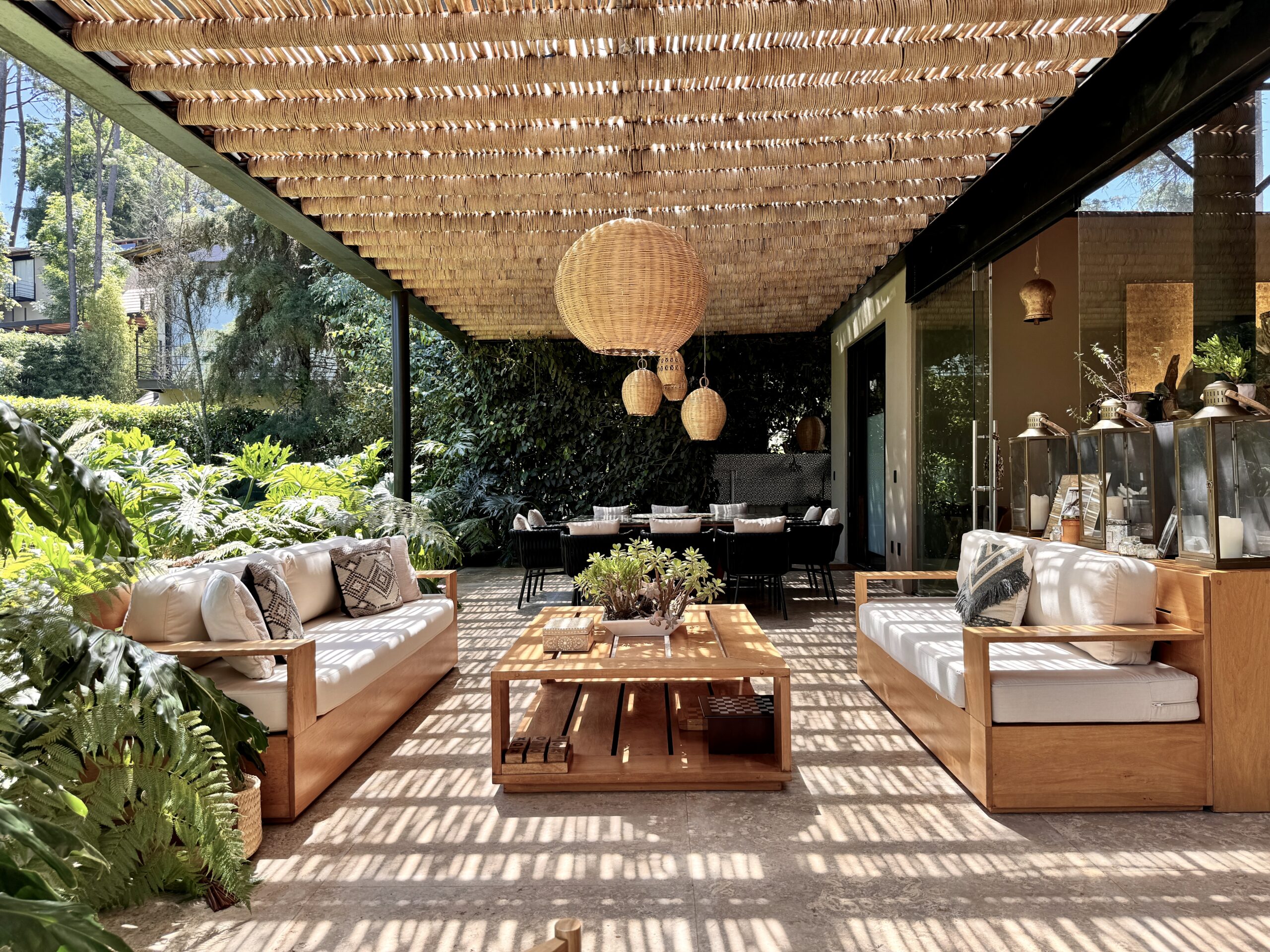
What private property doesn’t give you is the managed infrastructure that runs without your involvement. When you’re here, that rarely matters. When you’re away for extended periods, it requires more active planning.
For a full-time resident who is embedded in Valle and values a direct connection to the environment, a private property is often a better fit. For a second-home buyer who travels frequently and wants the property managed in their absence, the gated community infrastructure is highly useful.
Who a Gated Community in Valle Is Actually Right For
Based on living here and experiencing both configurations, here is my honest read.
Gated communities in Mexico work best for two profiles.
The first is the second home buyer or investor who isn’t in the property full-time. When your home is sitting empty during the week, whether you’re in Mexico City, travelling internationally, or renting it on Airbnb, the managed security infrastructure takes care of itself. The guard, the CCTV, and the maintained perimeter are all running without you having to arrange them. For someone who is in and out of the property, that consistency is genuinely valuable.
The second is someone who is new to Mexico and wants a structured, comprehensible environment while they build familiarity with how things work here. A gated community with clear management, established processes, and a property that comes with maintenance already sorted gives you one less thing to figure out while you’re settling in. It’s a softer landing than going straight into a private property and arranging everything independently from the start.
For someone who has been in Valle for a while, knows the landscape, and wants to feel fully immersed in the environment, a private property in the countryside or forest often ends up being the more satisfying long-term choice.
There is genuinely no right or wrong answer here. That’s the honest version of the gated community question that most guides don’t give you.
The Safety Context: Because It Always Comes Up
Worth saying clearly that the decision about whether to live in a gated community in Valle de Bravo is not primarily a safety decision. Valle is a genuinely safe town. The day-to-day experience here, gated or not, is relaxed and open in a way that makes the security question feel less urgent once you’ve actually spent time here. If you want a more detailed breakdown, I’ve written about whether Valle de Bravo is safe in full.
The gated community question in Valle is more accurately a lifestyle and convenience question. It’s about how you want your property managed, how connected you want to feel to the surrounding environment, and which practical infrastructure makes sense for how you’ll use the property.
People live well in Valle in every configuration. The town’s character supports all of them. A gated community in Mexico is one good option among several, and not a prerequisite for living here comfortably and safely.
One piece of advice worth taking seriously if you’re genuinely undecided: consider renting in a gated community for a year before purchasing. Valle has rental options across different communities and neighborhoods. A year of living inside one gives you a real sense of whether the structure suits you, the managed environment, the weekend dynamic, the cuota, and the governance. It’s a much more reliable way to find out than any amount of research from the outside. By the end of that year, you’ll know clearly whether you want to buy into a community or whether a private property suits you better. Either way, you’ll make the decision with real information rather than assumptions.
If you’re seriously evaluating properties in Valle and want to understand which areas and configurations make sense for your specific situation, that’s a conversation worth having before you start looking at listings.
That’s what I’m here for.
Not necessarily. In places like Valle de Bravo, daily life feels relaxed, and security isn’t the primary reason most people choose gated living. It’s more about convenience and how you want your property managed.
You trade some independence for structure. There are ongoing fees, shared decisions, and a slight separation from the local environment that some people feel over time.
It depends on how you live. Full-time residents often prefer the autonomy and connection of a private property, while part-time owners tend to value the ease of a managed community.